A curated resource portal of technical guidance and real-world case studies for Public Works Directors, Transportation Engineers, and Urban Designers specifying surface systems for Complete Streets and transit corridor projects across Canada.
Canadian cities are investing heavily in Complete Streets, Vision Zero programs, and climate-resilient mobility networks. The surface systems specified for these investments (bus priority lanes, protected bike lanes, high-visibility crosswalks, and multimodal intersection treatments) determine whether those investments hold their performance specification for a season or for a generation.
The resources below are intended for Public Works Directors, Transportation Engineers, Urban Designers, and Landscape Architects specifying durable surface systems for transit corridors, pedestrian priority areas, and multimodal street environments. From technical white papers on material performance to case studies from Canadian and international deployments, this portal provides the technical foundation for confident specification decisions.
White Paper: Strategic Guide for Public Works Leaders
How municipalities across Canada are reducing repainting cycles, minimizing lane closure frequency, and improving safety outcomes using MMAX, TrafficPatternsXD, and StreetBond surface systems.
Covers:
- Operational pain point analysis: snowplow damage, rapid marking fade, repainting cost cycles
- Lifecycle cost modeling and total cost of ownership comparison with painted alternatives
- Performance data from high-frequency transit corridors in Canadian climate conditions
- Procurement criteria and specification language
White Paper: Guide for Transportation Engineers & Urban Designers
A technical guide to material science behind thermoplastic and MMA systems, covering which products perform in which environments, installation parameters, bonding behavior, friction and skid resistance test data, and integration guidance for bus-priority corridors, bike lane networks, LRT systems, and multimodal intersections.
Case Studies
TTC Bus Priority Corridors, Toronto
Toronto's TTC bus priority network faces among the highest vehicle volumes and most demanding turning loads in Canadian transit operations. Painted lane markings required frequent repainting, each cycle generating lane closures and temporary loss of the visibility that driver compliance with bus priority lanes depends on. MMAX MMA coatings, applied in overnight maintenance windows, eliminated the repainting frequency and maintained lane colour, contrast, and safety specification through extended operational cycles.
Highway 7 Rapidway, York Region
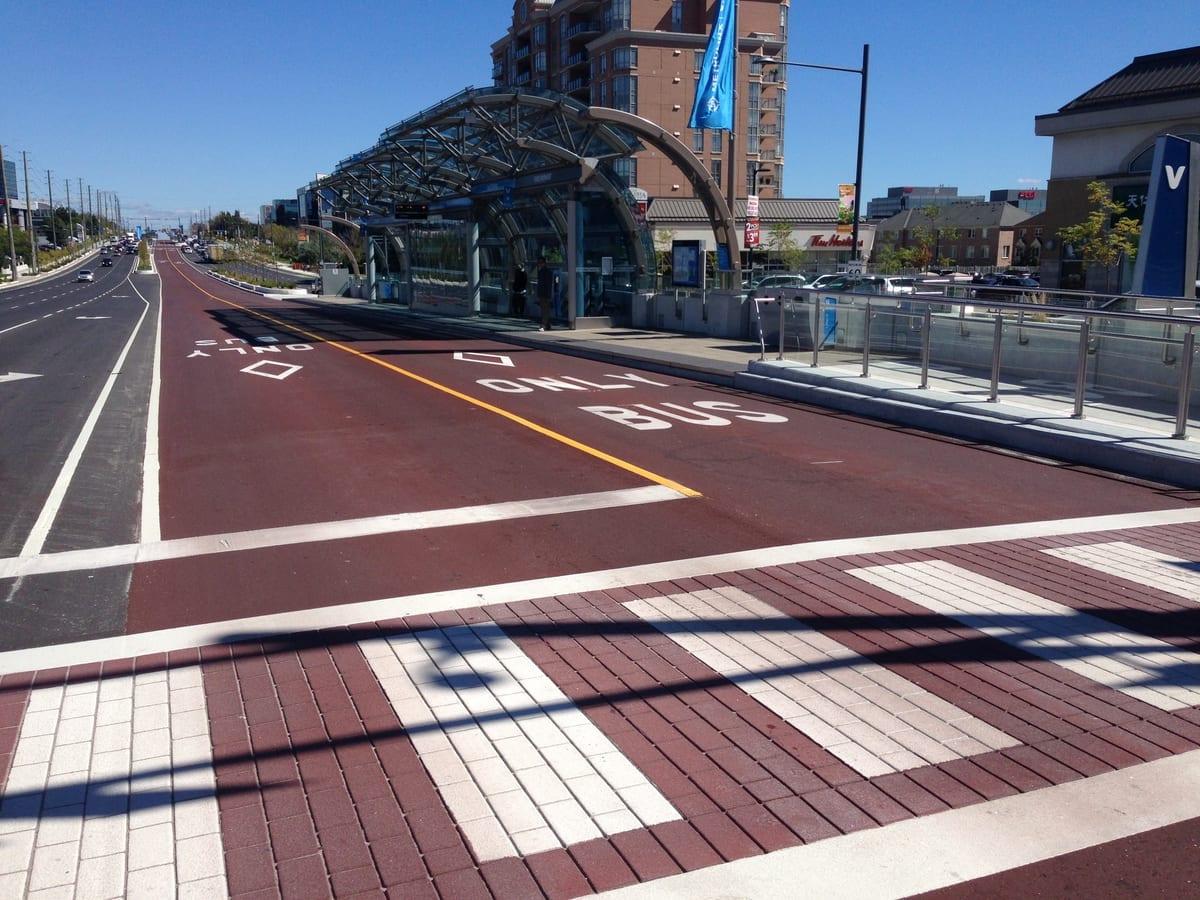
York Region's Highway 7 Rapidway required a surface system that could handle BRT axle loads, serve as clear visual infrastructure for cyclists and pedestrians, and maintain performance through Ontario's freeze-thaw seasons. TrafficPatternsXD at intersection boarding zones combined with MMAX for cycling lane treatments delivered a cohesive, durable corridor specification directly supporting the region's Complete Streets framework.
East London Link BRT, London, Ontario
Red MMAX bus lanes throughout the BRT corridor combined with TrafficPatternsXD pedestrian crossings at intersection conflict points. The dual-system approach advanced active transportation goals (consistent visibility, certified skid resistance) without major disruption to transit operations during installation.
Branded Crosswalks & Pedestrian Safety, Vancouver and Richmond
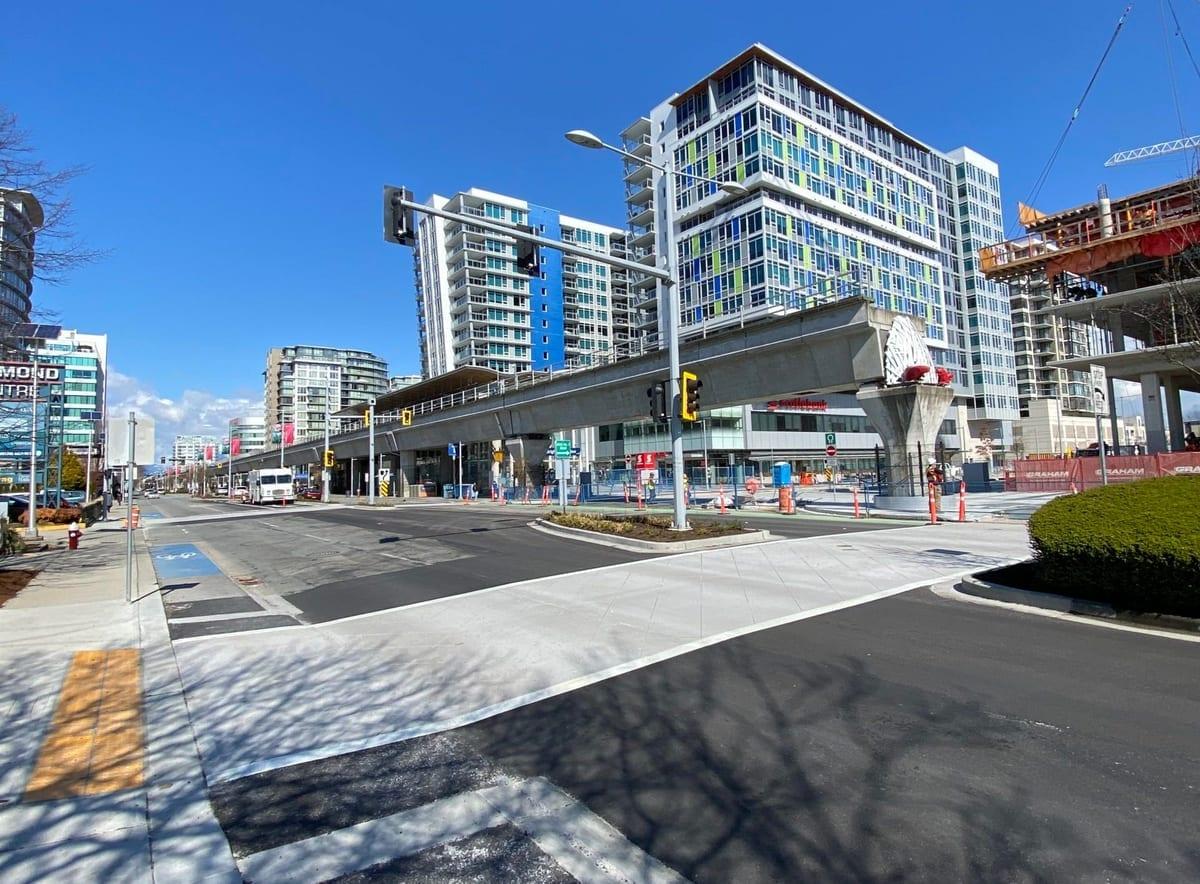
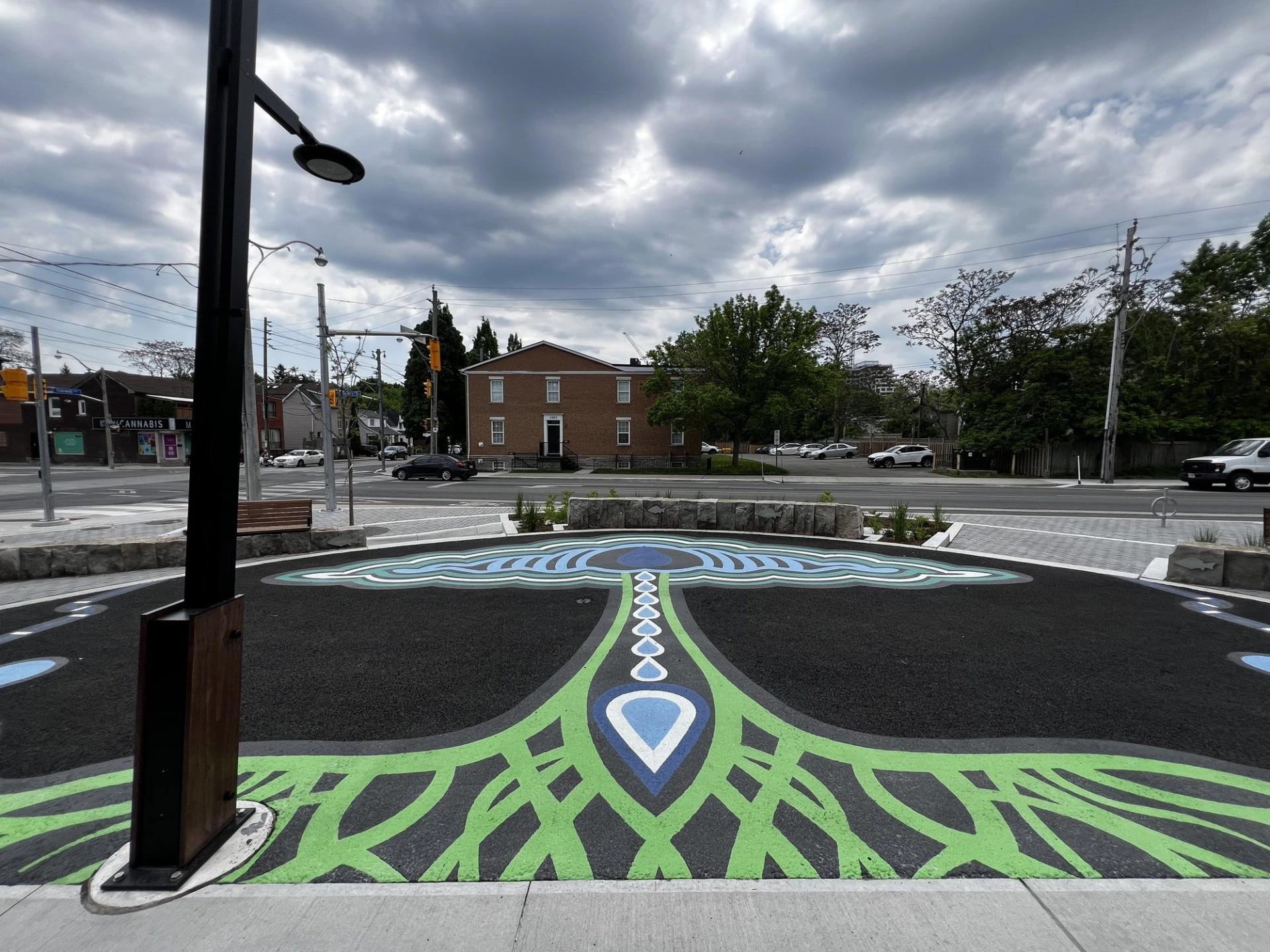
Custom thermoplastic systems delivered durable, skid-resistant surfaces for decorative crosswalk programs across Vancouver and Richmond, from the Italian flag crosswalk on Commercial Drive to the custom thermoplastic installations at Brighouse Station. Function and civic identity in the same specification.
Why Infrastructure Leaders Specify HUB Surface Systems
Safety performance: Skid-resistant, high-contrast surfaces maintain retroreflectivity at intersections, platforms, and modal transition zones through full seasonal cycles.
Durability: All systems are engineered for the conditions Canadian infrastructure actually faces: snowplow blades, de-icing salt, freeze-thaw cycling, and daily heavy vehicle traffic. Season-after-season performance without the repainting cycle that painted alternatives require.
Lifecycle economics: Longer intervals between maintenance interventions mean fewer lane closures, less service disruption, and lower total maintenance cost over the life of the installation.
Complete Streets integration: From branded crosswalks to colour-coded transit lanes, HUB systems support both functional performance and the civic identity dimensions of Complete Streets design.
Trusted by: City of Toronto · City of Vancouver · York Region · City of Mississauga · Richmond · Waterloo Region · City of London
Contact HUB Surface Systems to request technical documentation, reference project details, or to book a Lunch & Learn for your engineering or public works team.