How TrafficPatternsXD™ thermoplastic surfacing is helping GrandLinq LRT in Waterloo and VIVA Rapid Transit in York Region deliver safer, more durable platforms and crossings while reducing maintenance costs.
How Thermoplastic Surfacing Is Helping Canadian Complete Streets Perform Better
The Challenge
Transit stations, particularly at-grade LRT and BRT platforms, are high-demand environments where safety, visibility, and durability are critical. These hubs face:
- Constant vehicle traffic wear and tear across platforms and crossings
- Elevated slip risk during rain, snow, and freeze–thaw cycles
- Rapid fading of painted markings, leading to wayfinding breakdowns
- Maintenance cycles that interrupt transit service and strain operations
- Design mandates for Complete Streets and Vision Zero performance
Transit agencies needed a high-performance surface system that could meet technical safety standards (TAC ), provide lasting traction, and minimize disruptions during installation and upkeep.
The Solution: TrafficPatternsXD™
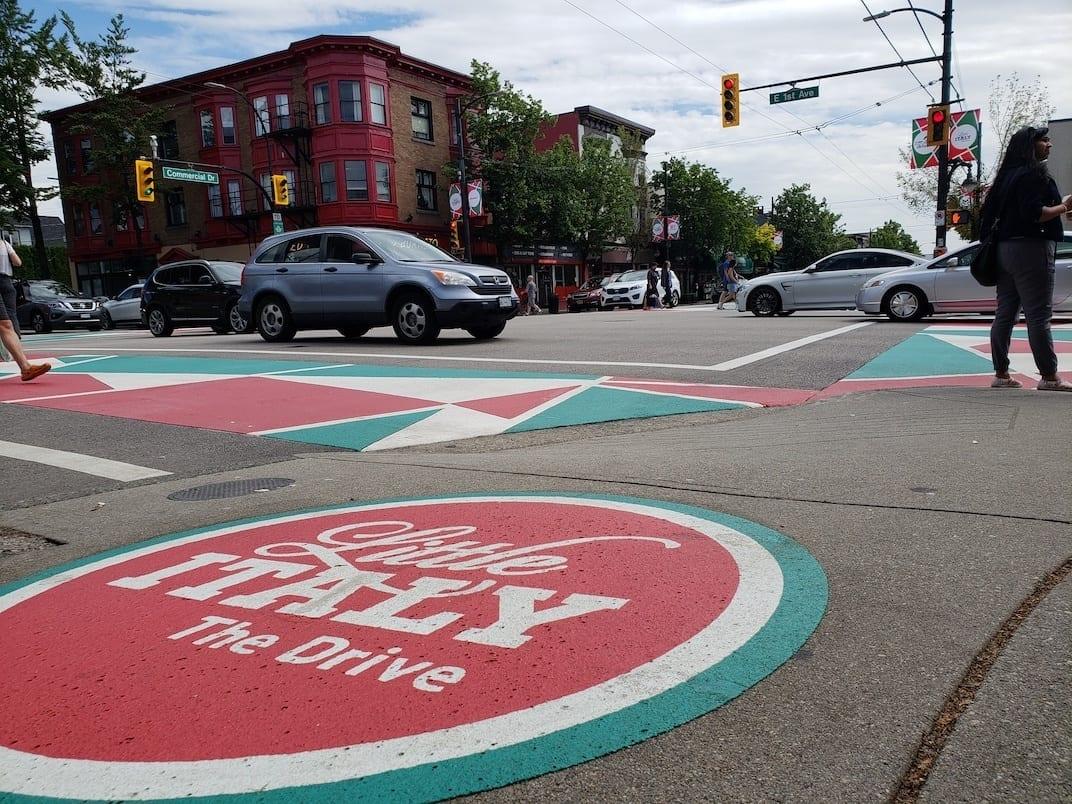
TrafficPatternsXD™ is a preformed thermoplastic engineered for extreme durability, vibrant visibility, and non-slip safety. Its aggregate-embedded surface enhances traction in wet and icy conditions, while its long-lasting color retains clarity over time, even under thousands of daily footfalls.
Strategic Applications Included:
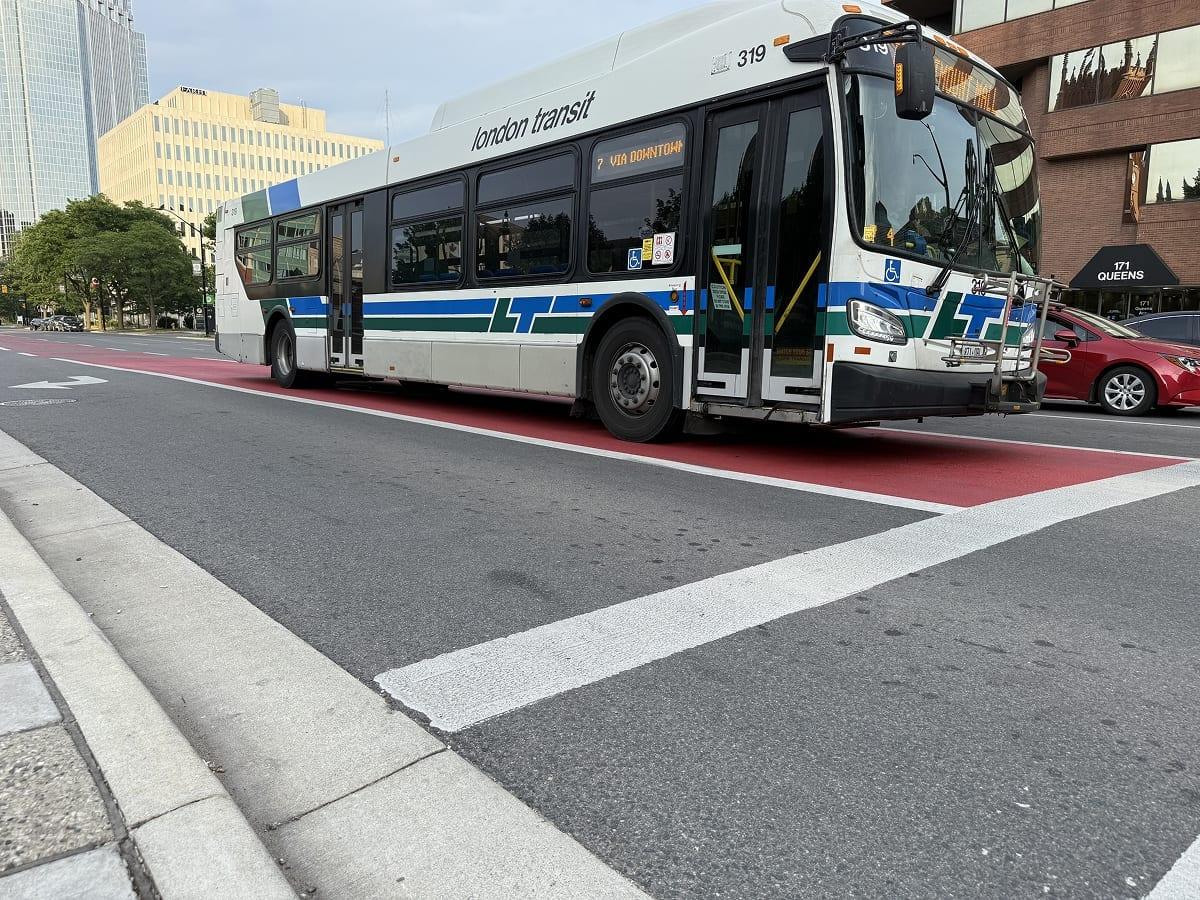
- LRT & BRT platforms and pedestrian waiting areas
- Crosswalks near boarding zones and transfer hubs
- Edge delineation and modal transitions in civic plazas
Key System Benefits:
- Non-slip performance: Embedded aggregate texture for superior year-round traction
- Fade resistance: UV-stable pigments retain visibility under constant use
- Fast installs: Thermoplastic inlay process reduces service downtime
- Multimodal alignment: Complies with Canadian transportation and Vision Zero mandates
GrandLinq LRT: Waterloo, ON
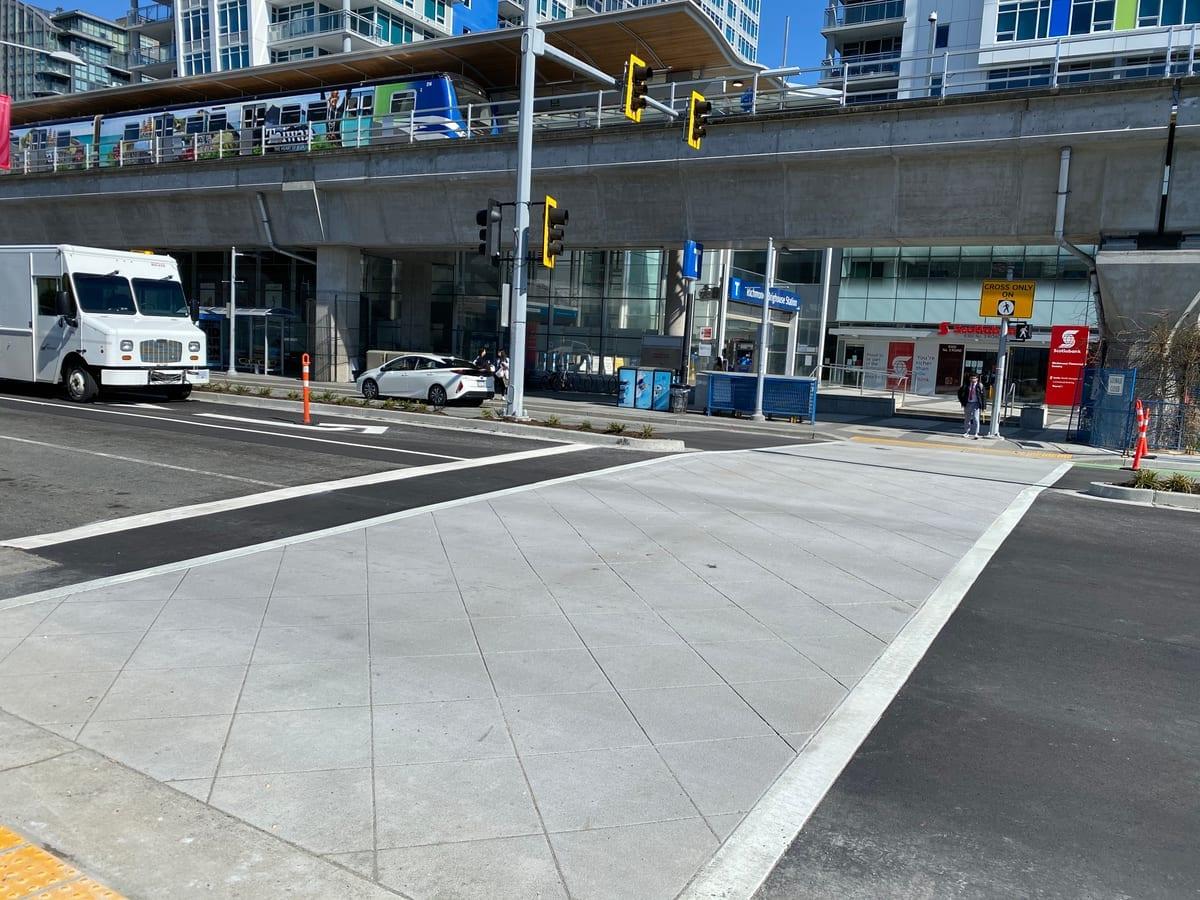
Installed TrafficPatternsXD™ at LRT platform edges, pedestrian crossing points, and modal transition areas across the ION corridor. The result was improved traction, safety, and visibility for riders navigating between train cars, buses, and active transportation paths.
- Improved traction in winter months
- High-contrast crosswalks remained legible through freeze–thaw cycles
- Zero service disruption thanks to phased nighttime application
VIVA Rapid Transit: Toronto, York Region
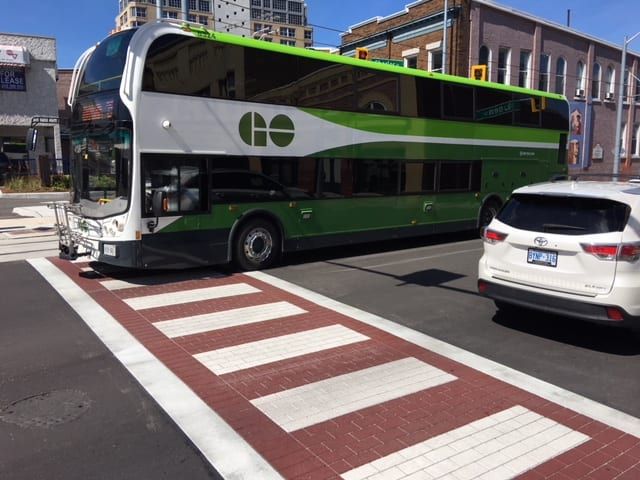
Applied TrafficPatternsXD™ at key intersections and boarding zones along the Highway 7 Rapidway and at high-volume modal transitions. Paired with Green MMAX™ for cycling lanes, the system enhanced safety and design cohesion across the corridor.
- Safer pedestrian routes through complex intersections
- Thermoplastic durability minimized repainting cycles
- Supported York Region's Complete Streets framework
Implementation Highlights
- Installed during off-peak hours to avoid service disruptions
- Compatible with asphalt: no milling or deep surface prep required
- Built to withstand freeze–thaw cycles, de-icing salts, and plow abrasion
- Designed for long-lasting color contrast and safe pedestrian guidance
Conclusion: Results & Long-Term Benefits for VIVA, Metrolinx, and GrandLinq
By adopting TrafficPatternsXD™, VIVA, Metrolinx, and GrandLinq demonstrated how advanced surface systems can enhance pedestrian safety, improve transit reliability, and lower maintenance costs. These implementations offer a scalable solution for transit authorities seeking:
- Year-round pedestrian safety in Canada's most demanding transit zones
- Lower lifecycle costs through reduced repainting and repair needs
- Improved rider experience at key transfer hubs and platforms
- Stronger performance with multimodal standards and accessibility codes