A grey, oxidized lot can go back on the sealcoat cycle or take a DuraShield maintenance coating. What each one does on sound asphalt, and the questions to put to a supplier first.
The lot has gone grey. The black has worn off the drive aisles, the stone is showing where tires turn, and the quote on the desk is for parking lot sealcoating, the same job as last time.
A sealcoat is a thin coat over the asphalt that brings back the colour and slows the sun and water down. It wears first where traffic turns and brakes, and the lot goes back on the schedule. For a lot whose asphalt is still sound, a pavement maintenance coating is the other choice on the table.
What DuraShield is
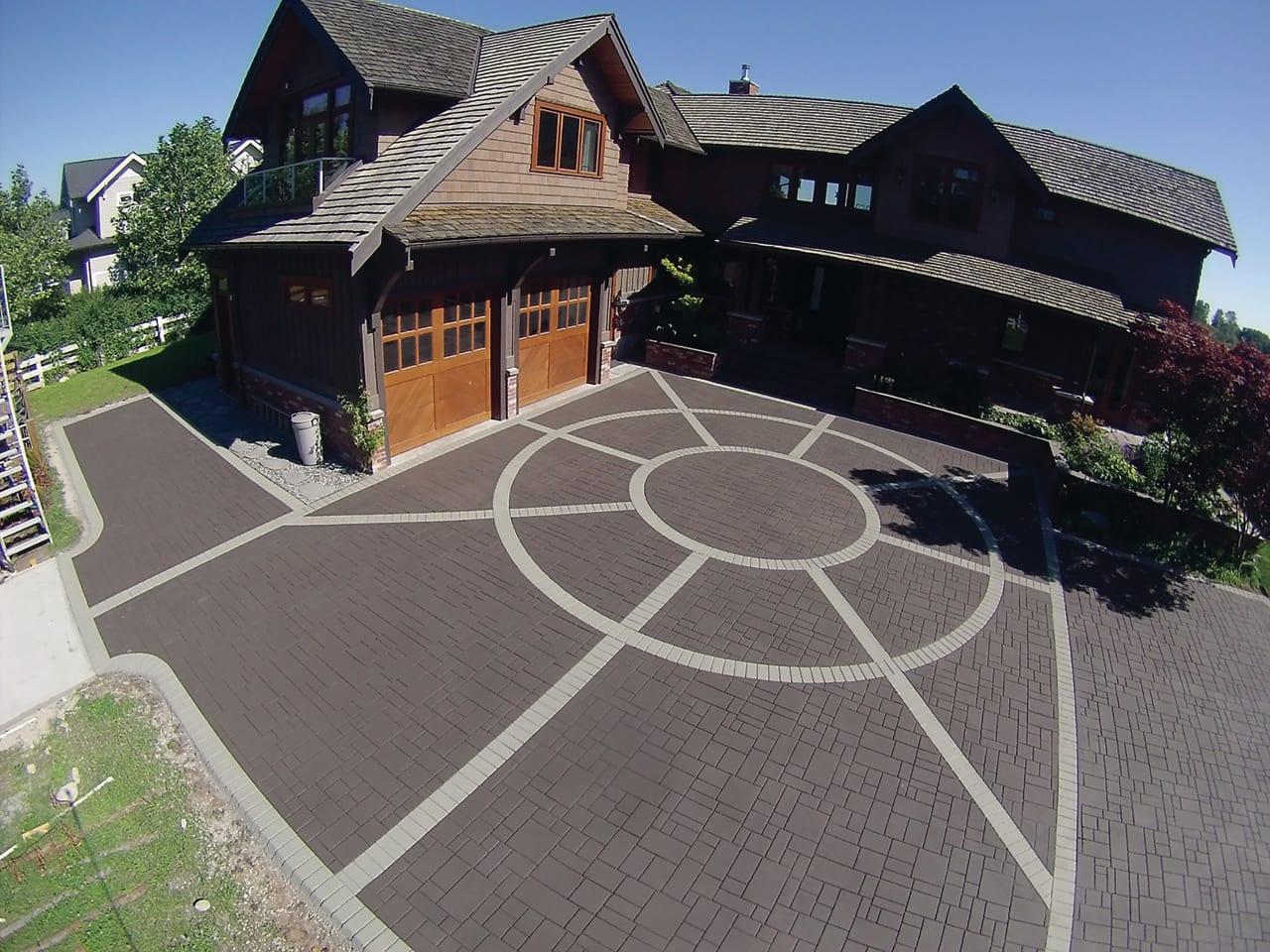
The photograph on DuraShield's spread in the Product Portfolio Book is a lot in Etobicoke, Ontario. The book calls DuraShield a pavement maintenance coating, a two-component epoxy-modified acrylic with solar-reflective options. It resists fuel, oil and de-icing agents, cools the surface, and protects the pavement underneath, extending its service life.
Its applications line in the book reads: preserves and protects asphalt, old and new. The product page says where it is specified: parking lots, driveways, pathways and LEED sites where the asphalt is sound and the surface needs protecting. The solar-reflective option is SR Gray, at 0.35 on the 2026 colour card.
Where colour fits in a lot
The StreetBondSR spread opens on a fleet lot in Toronto, Ontario, coated across in StreetBondSR. StreetBondSR is StreetBond formulated to reflect rather than absorb. Twelve of its colours carry a solar reflectance of 0.33 or higher and can contribute to the LEED v5 heat-island credit for non-roof surfaces, and the book lists parking among their uses.
StreetBond itself is a water-based, epoxy-modified acrylic in 63 standard colours with custom matching. The book specifies it for parking lots as a coloured coating to enhance and preserve, and HUB's Parking Lots page puts it in drive aisles, wayfinding zones and fire lanes. Colour in a lot can also be quiet: the book shows a lot inside a heritage industrial hall, coated in a slate colour that complements the brick and steel. StreetBond's service life is 8+ years, and a worn surface is recoated rather than rebuilt.
Maintain or replace
The book's Parking Lots spread starts from the asphalt: it breaks down when it is exposed to the elements, and the systems the book specifies for a lot add to its looks while preserving the asphalt underneath.
A coating looks after the surface, so the asphalt has to be sound already. Sound means the trouble is on top: the colour has gone and the surface is wearing. It is not sound when the trouble is underneath, in ruts, settled areas, cracks joined into a web, or potholes that come back after every patch. Where the asphalt is sound, DuraShield's own condition is met. Where it is not, ask HUB for the specification for your site before anything is coated.
Questions for whoever quotes the parking lot sealcoating
Ask these before the next round is booked:
- Is it a maintenance coating made for asphalt, and what does it resist? DuraShield's page names fuel, oil and de-icing agents.
- Will someone walk the lot first, and what does the coating need from the asphalt underneath?
- Where will this lot wear first, and how is a worn area brought back?
- Is there a solar-reflective option, and what is its solar reflectance on the colour card?
- Who installs it, and what goes in the tender: the system's name and its spec sheet?
The DuraShield, StreetBond and StreetBondSR spec sheets are on Resources. The markings that go back on the lot afterwards are their own decision, in the restriping guide, and the contact page reaches both offices.