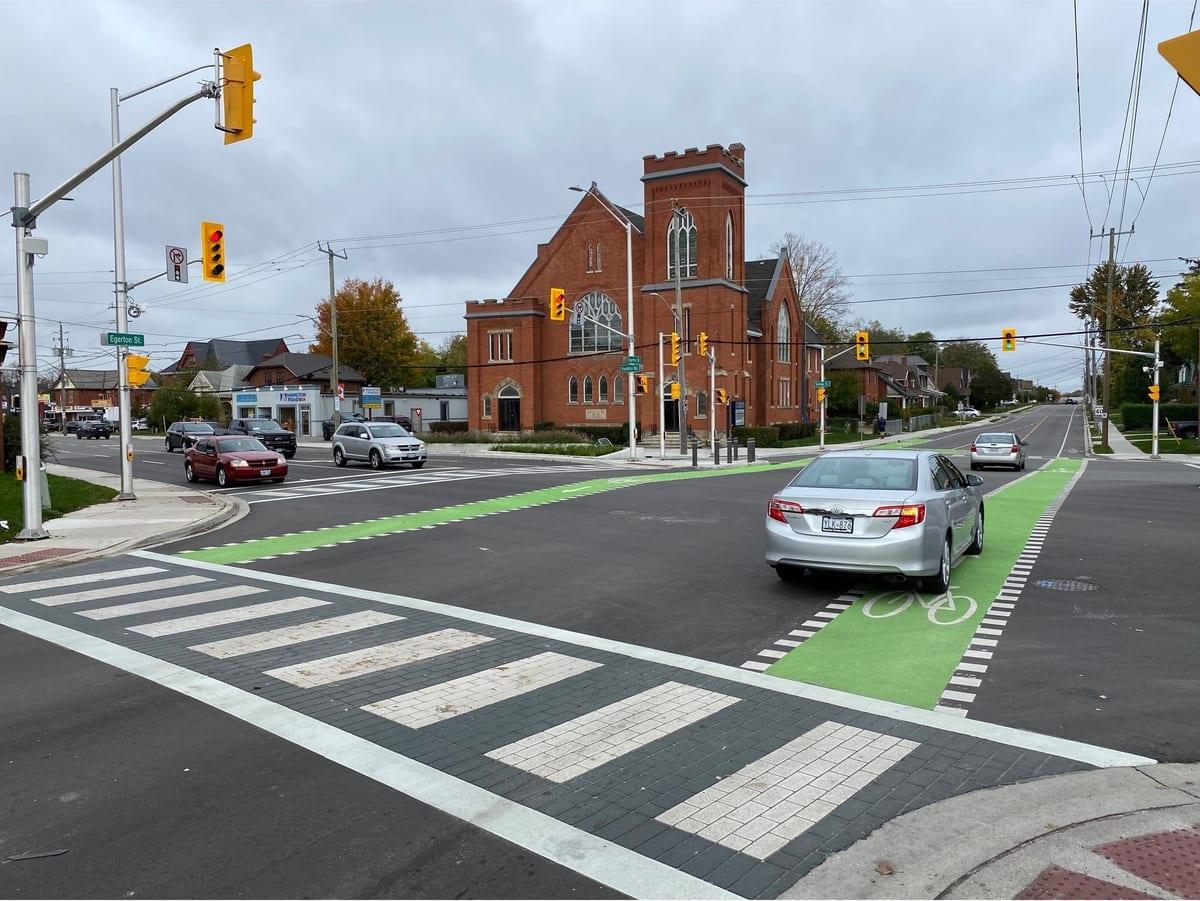
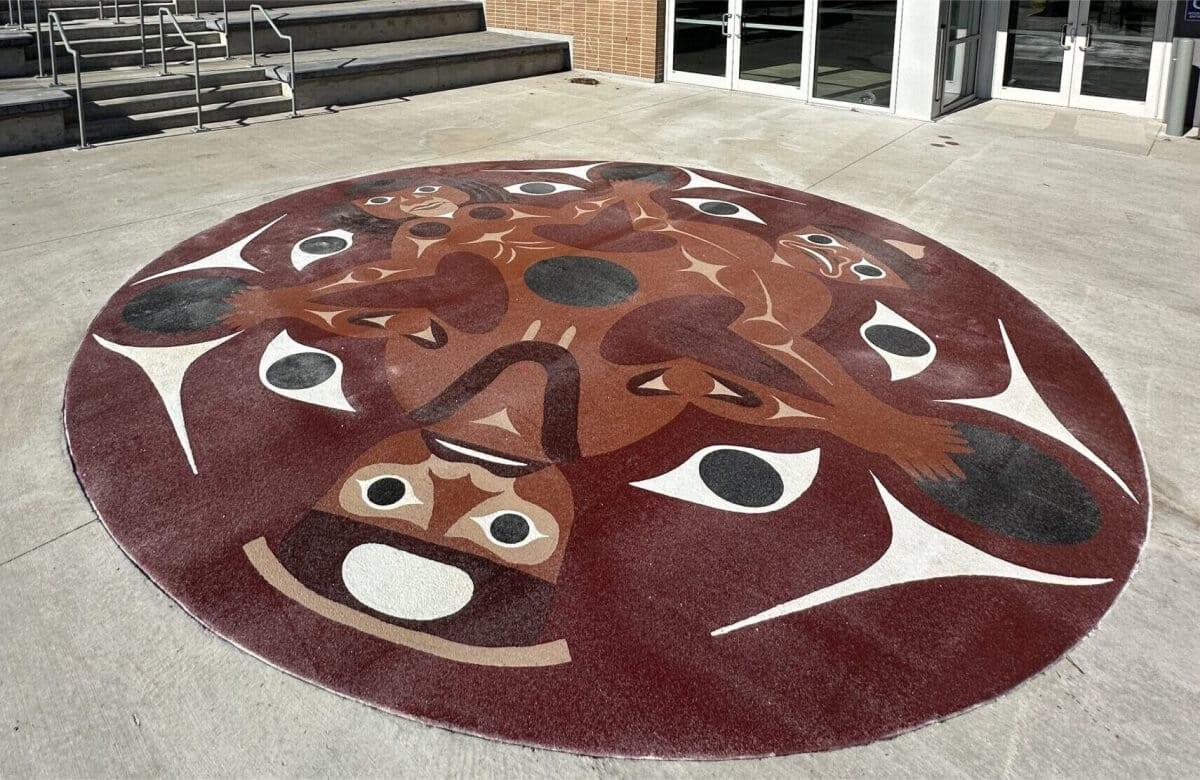
A decorative surface is a product and a process. Specifying the product is the easy half. Here is how HUB's certified installer network covers the other half, province by province.
Every specification for a decorative surface contains an assumption that rarely gets written down: that somebody within driving distance knows how to install it.
For preformed thermoplastic that assumption is doing a lot of work. The material is heat-applied (it is fused into the asphalt, not glued to it), and the difference between a crossing that lasts a decade and one that lifts at the edges in year two is almost entirely in the application. Same for stamped asphalt, where the reheat temperature and the compaction after stamping decide whether the pattern holds.
This is why HUB runs a certified installer program rather than simply selling material.
What "certified" means here
Certified installers are trained and authorized by HUB to install each system to specification. They are crews who have been taken through the systems they install by the people who supply them, rather than general paving contractors who have bought a pallet.
For a procurement team, that credential is doing something specific: it means the performance figures in the spec (the service life, the skid resistance, the bond) were achieved by an installation method the manufacturer recognises.
Certified installers by province
The network runs across the country, and the installers in it are established businesses with their own long records:
- British Columbia: Square One Paving. Genuine stamped asphalt and decorative coatings since 2000.
- Alberta: ULS Landscaping. One of Canada's Best Managed Companies in 2024 and 2025. As they put it: we build it in June and we plow it in January.
- Saskatchewan: Virtue Construction. COR certified, installing since 2009.
- Ontario: Multiseal. Crosswalks, transit lanes, parks, schools, commercial properties and traffic calming across southern Ontario since 2001.
- Québec: Thermo Design. Twenty years of work in Québec across crosswalks, schools, transit, commercial, municipal, retail and urban design.
Behind them, HUB runs two regional offices: East in Milton, Ontario, and West in Ladysmith, British Columbia. Both offices work with the same network.
What this means for a specification
Three practical consequences worth knowing when you are writing the document:
1. You can name the standard, not just the product. "Installed by a HUB-certified applicator to manufacturer specification" is a line that does real work in a tender, because it makes the installation method part of what is being bid.
2. Availability is a real constraint, and it is knowable in advance. Before a project goes to tender it is worth asking who is certified in your province and what their season looks like. That is a phone call, and it is better made in February than in August.
3. The supplier stays in the conversation. With a manufacturer-backed network, technical support during installation is not a favour. It is how the program is designed to work.
Finding an installer in your region
If you are specifying decorative pavement and want to know who can install it in your region, ask us and we will make the introduction. The introduction settles the part of the specification that would otherwise be a guess, and it is not a sales step.