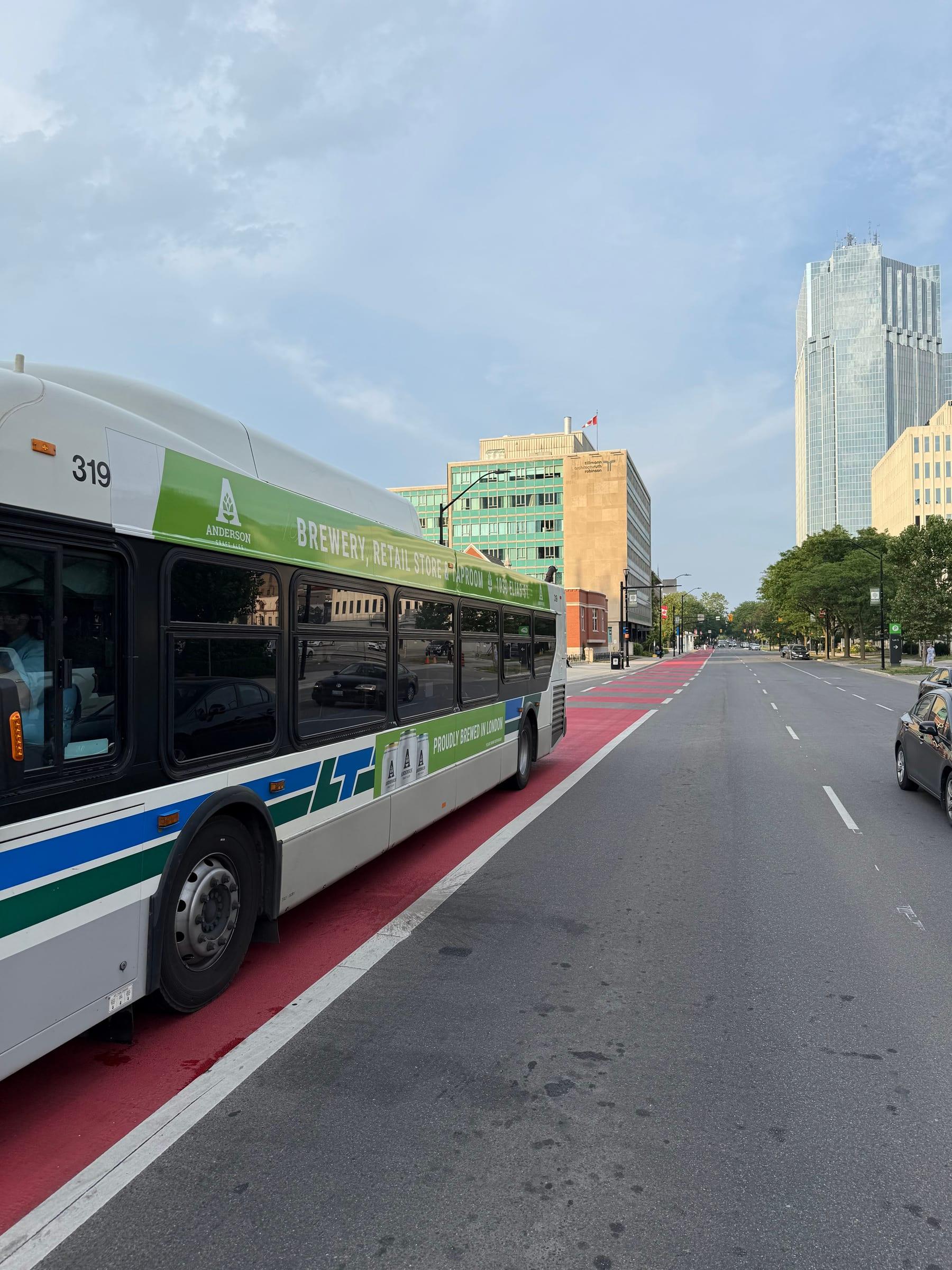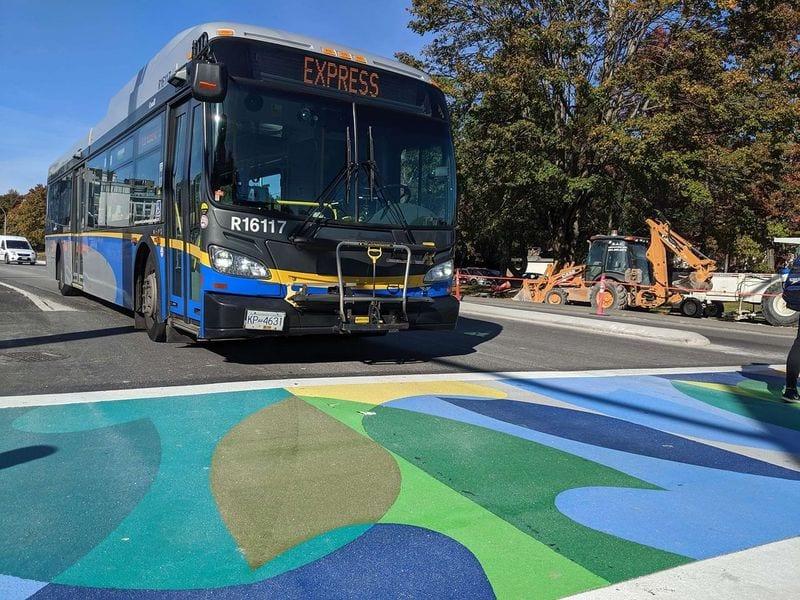
A crosswalk is infrastructure. But in the right hands, it becomes a statement. About who a community is, what it values, and how it sees itself. Here's how decorative surface treatments are redefining civic identity across Canada.
A crosswalk is infrastructure. Its job is to get pedestrians safely from one side of a street to the other, to regulate movement and signal to drivers where people have priority. For most of the history of urban planning, that's where the design conversation ended.
It doesn't have to.
In the right hands, and with the right materials, a crosswalk becomes something more: a declaration. About who a community is, what it values, who it welcomes, and how it chooses to be seen.
Placemaking at Street Level
Urban planners use the term "placemaking" to describe the design of public spaces that foster social connection, local identity, and civic pride. Most placemaking investments go vertical: park installations, building facades, public art on walls. Streets, which make up 30–40% of urban land area in most Canadian cities, have been chronically underused as placemaking surfaces.
Crosswalks sit at the most socially active intersections of the street network. They are seen by every pedestrian, cyclist, driver, and transit user who moves through a corridor. An investment in a decorative crosswalk installation reaches a larger daily audience than almost any other public art placement.
The materials now exist to make that investment last, not for one season, but permanently.
Vancouver's Model: What Measurable Impact Looks Like
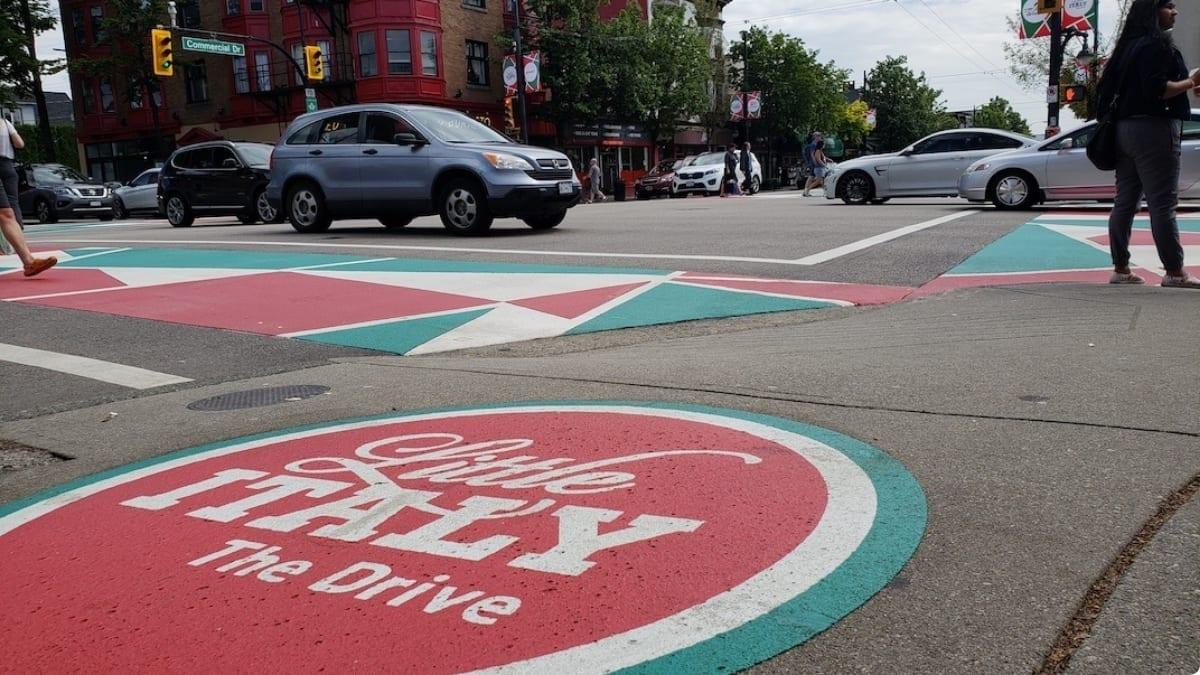
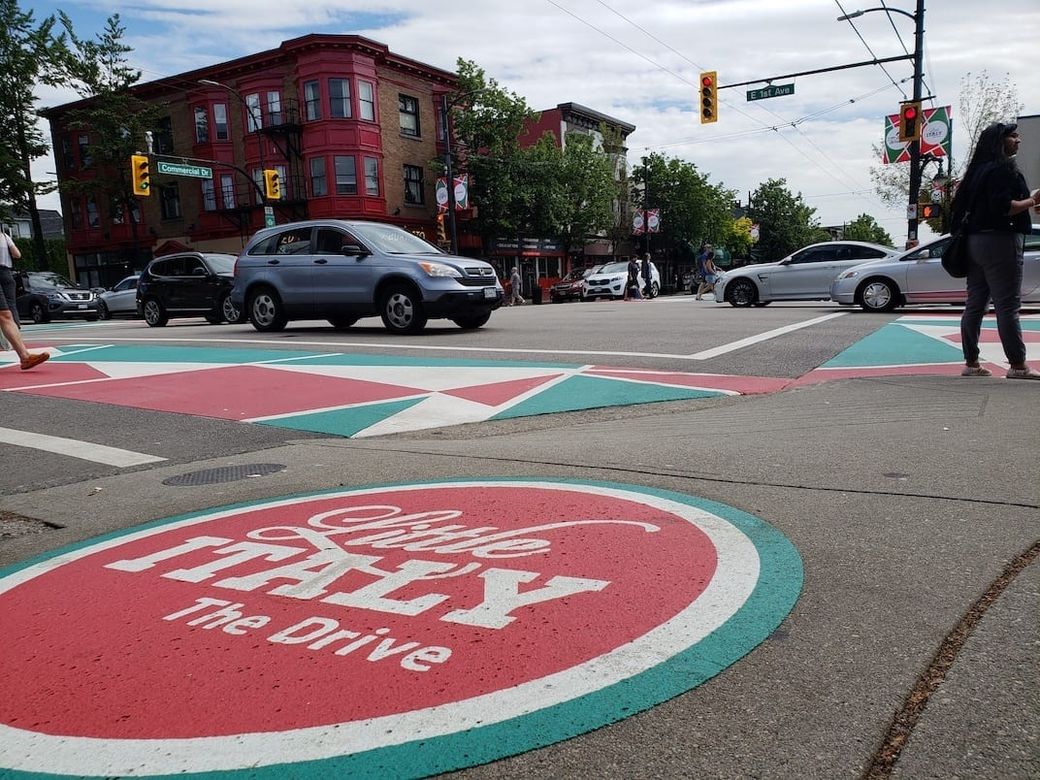
The City of Vancouver has been a national leader in decorative crosswalk programming, and its experience provides a template for municipalities across Canada. Through initiatives like "More Awesome Now" and partnerships with community organizations, the city has deployed StreetBond coloured pavement treatments and custom StreetPrint stamping to transform intersections across Commercial Drive, Davie Village, and other culturally significant corridors.
The impacts are not just aesthetic. Businesses in corridors with decorative surface treatments report measurable increases in foot traffic and dwell time. Neighbourhood associations document improved community cohesion and civic pride scores. And the installations generate significant organic social media engagement, turning everyday intersections into destinations that people share, photograph, and return to.
Decorative crosswalks are, by this measure, the highest-reach, lowest-cost placemaking investment a municipality can make.
Indigenous Recognition: Where Infrastructure Meets Reconciliation
One of the most meaningful applications of decorative crosswalk technology in Canada is in Indigenous cultural recognition and reconciliation work.
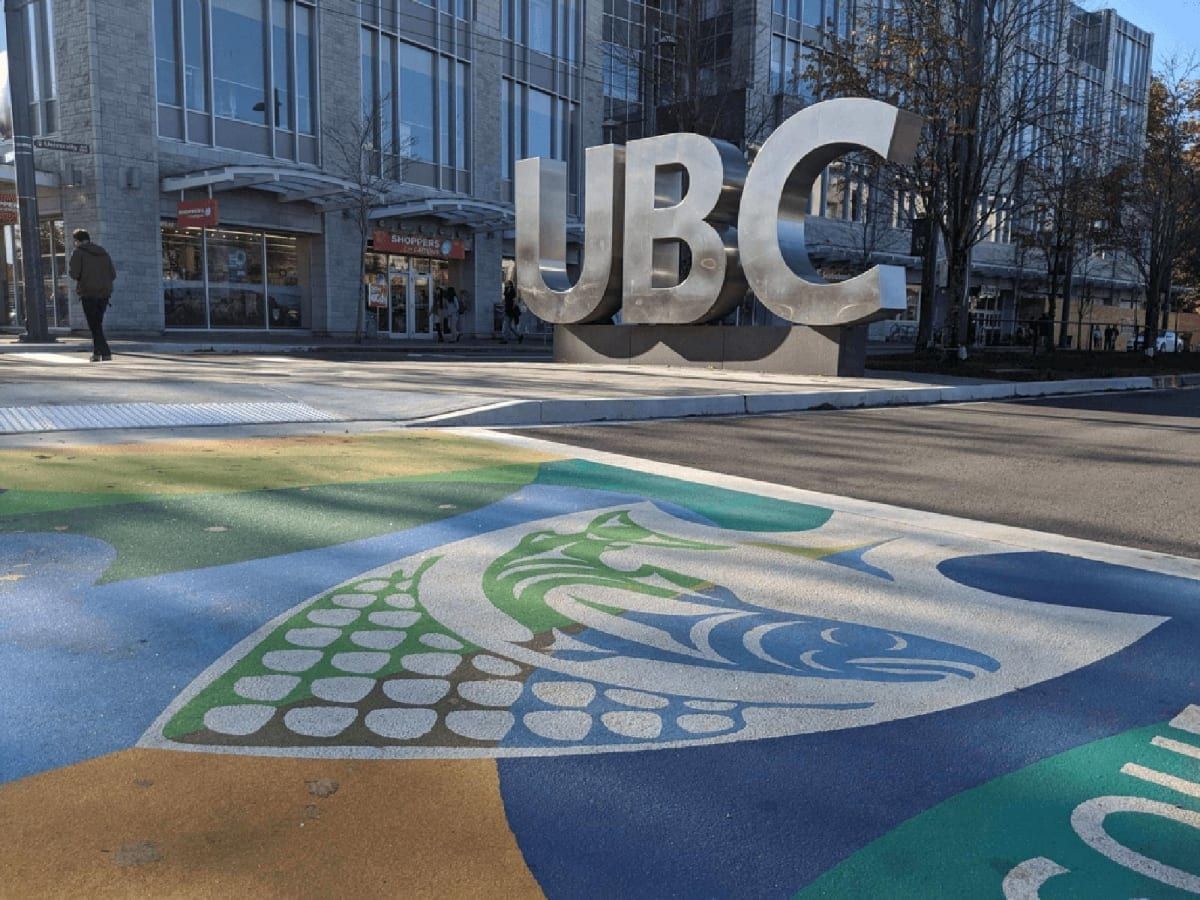
The UBC Musqueam crosswalk, created in direct collaboration with the Musqueam Nation, features traditional Coast Salish weaving patterns translated into the road surface using HUB's DecoMark custom thermoplastic system. It is simultaneously functional infrastructure, public art, and a visible, permanent statement of the university's relationship with the territory's original stewards.
HUB has worked with multiple municipalities and First Nations communities across British Columbia and Ontario to create crosswalk and path installations featuring traditional art motifs, territorial acknowledgements, and cultural narratives. These are not temporary mural projects. They are permanent features of the public realm, designed to last the full service life of the asphalt surface itself.
For municipalities with reconciliation commitments on paper, the crosswalk is one of the most powerful ways to put those commitments on the ground, literally.
Technical Reality: What "Permanent" Requires
The emotional ambition of a decorative crosswalk installation is easy to articulate. Making it permanent is the harder problem.
Paint doesn't solve it. Paint fades within a season in high-traffic environments, becomes invisible in wet weather, and chalks and chips under snowplow maintenance. A Pride crosswalk that looks vibrant in its installation photos but washed out by November is a failed investment, and a reputational liability for the municipality that commissioned it.
HUB systems are designed around the durability demand, not the installation moment. DecoMark precision preformed thermoplastic is Pantone colour-matched and heat-fused permanently to the road surface: it holds colour, geometry, and visual impact through snowplow cycles, de-icing chemical seasons, and the freeze-thaw cycling that destroys surface paint. StreetBond acrylic delivers vivid colour on asphalt and concrete that maintains its saturation through years of traffic and UV exposure without repainting.
These are systems chosen by municipalities that intend for the installation to still look like the installation photo in five years.
Starting the Conversation
For municipalities considering decorative crosswalk programs, whether for Pride recognition, Indigenous cultural installations, neighbourhood identity, or general placemaking, HUB Surface Systems offers complimentary design consultations. Our team works with community organizations, artists, planning departments, and engineering teams to translate creative vision into code-compliant, durable street installations.
The street is your canvas. Let's build something the community is proud of every time they walk across it.
Contact HUB Surface Systems to discuss your community's decorative pavement project.