Full replacement of failed asphalt or concrete is expensive and often unnecessary. How DuraShield, StreetBond and StreetPrint extend pavement life and improve its look.
The parking lot looks terrible. The asphalt is grey-brown and oxidized, the line markings are ghosts of their former selves, and there are hairline cracks running in a dozen directions. The property manager calls a paving contractor. The contractor walks the lot, produces a quote for full mill-and-pave, and presents a number that makes everyone uncomfortable.
What the contractor may not have mentioned: full replacement is often unnecessary. And in 2026, "renew before you replace" is the decision that more property managers, municipalities, and facilities teams are reaching, for sound economic and environmental reasons.
Diagnosing the pavement first
Most pavements that look failed are structurally intact. Asphalt oxidizes on the surface: the binder breaks down under UV exposure and temperature cycling, leaving a grey, brittle surface layer. Hairline cracks develop in the top inch. Markings fade. The lot looks like it needs replacement. But probe deeper: if the sub-base is stable and there are no significant voids or structural failures, the pavement has years of useful life remaining.
The question is whether the lot is structurally compromised. In most cases, particularly lots less than 15–20 years old, it is not.
DuraShield for oxidized asphalt
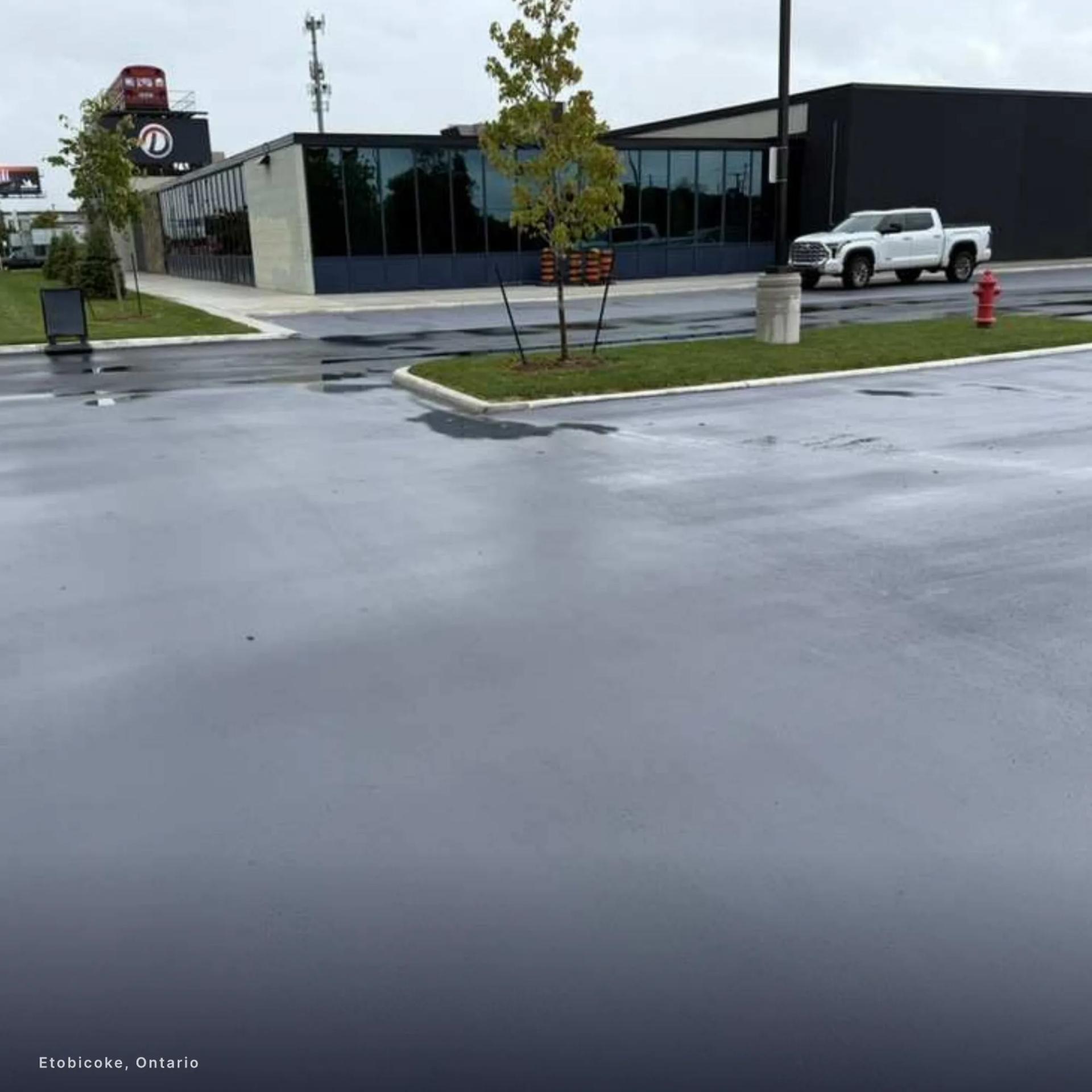
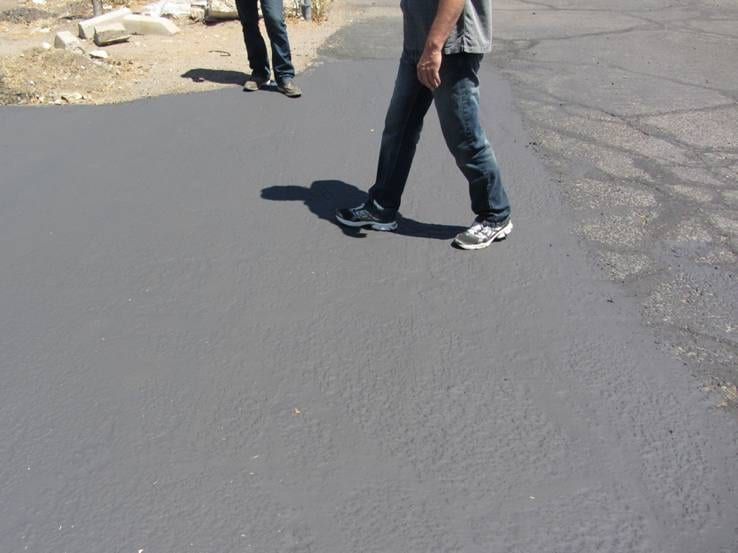
DuraShield is a pavement coating system designed specifically for oxidized asphalt. Applied in two coats to a prepared surface, DuraShield penetrates and reseals the existing binder, restoring elasticity and stopping further oxidation. Hairline cracks are sealed. The surface takes on a uniform, deep colour, available in standard asphalt black or a range of colours for decorative applications.
The economics are direct: DuraShield application runs approximately 15–25% of the cost of full mill-and-pave. Installation time is measured in days, not weeks. The lot stays open during application, with controlled access to freshly coated sections rather than full closure.
Service life: properly applied, DuraShield adds 5–8 years to a structurally sound asphalt surface. Applied proactively on a well-maintained lot, it extends intervals between mill-and-pave cycles significantly.
StreetBond on concrete
Concrete plazas, walkways, and commercial entries have their own problem. Concrete doesn't oxidize like asphalt, but it stains, develops surface carbonation and ages badly. Grey concrete looks institutional and dated.
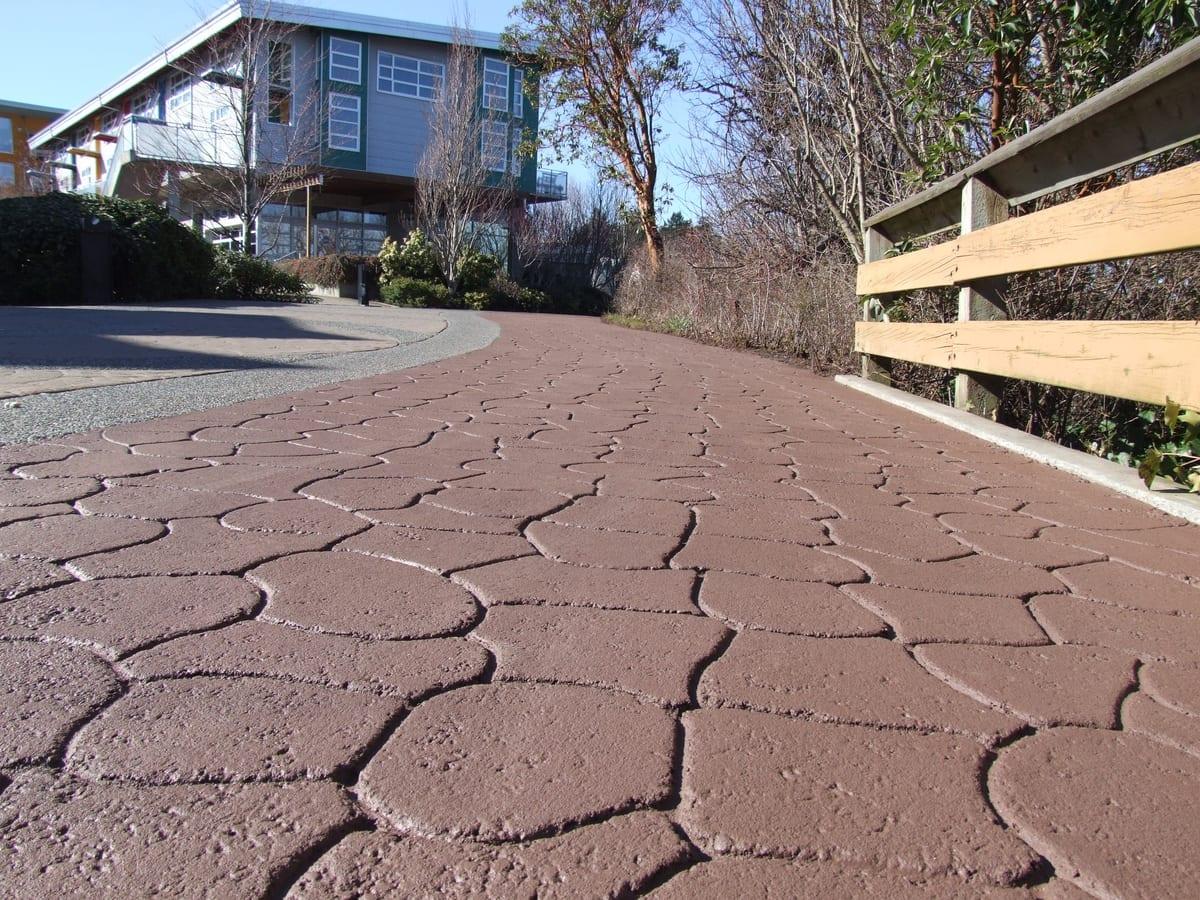
StreetBond is a pavement coating originally developed for municipal street and crosswalk applications. On concrete, a grey entry plaza becomes a terracotta one. A utilitarian walkway becomes a colour-coded wayfinding system. StreetBond bonds chemically to concrete, provides UV-stable colour, and adds skid-resistance texture.
For commercial properties making tenant improvements, StreetBond on existing concrete is typically 20–30% of the cost of removing and replacing concrete flatwork, with none of the structural disruption.
StreetPrint stamped asphalt
For asphalt that needs more than renewal, or for property owners who want to capture the aesthetic of interlocking stone or brick without the maintenance liability, StreetPrint is the answer.
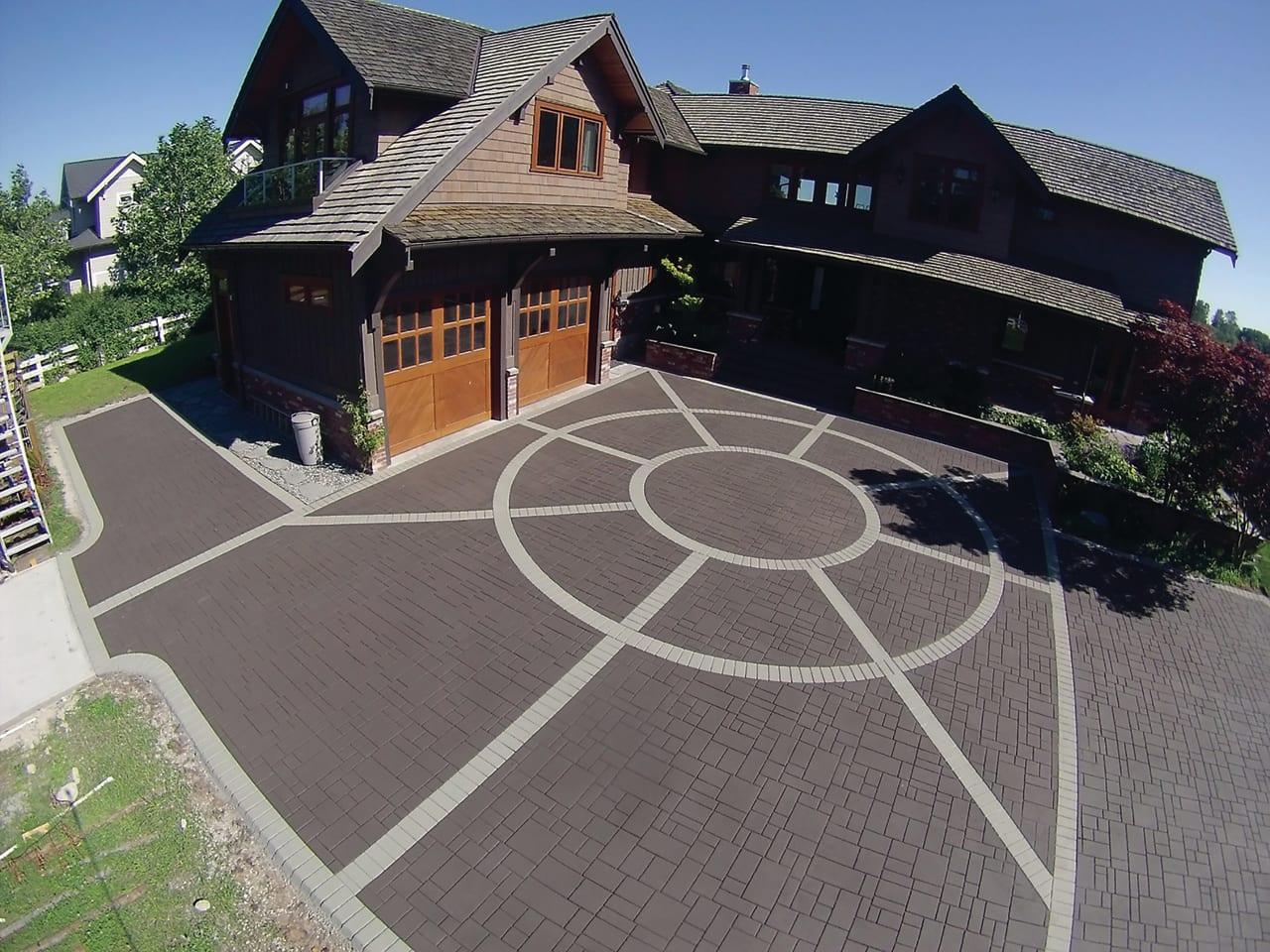
StreetPrint presses a pattern into heated asphalt, existing or a fresh overlay, with a wire-rope template. The result is a brick, cobblestone or geometric pattern with real relief. Coated with StreetBond, it looks like laid stone at a fraction of the cost, with no joints to maintain, heave or shift.
The renewal math: a StreetPrint overlay on existing asphalt typically runs 30–40% of the cost of removing asphalt and installing interlocking stone. The service life is comparable. The maintenance is far lower.
The property manager case
Commercial properties compete on tenant experience. The parking lot and entry sequence are the first physical interaction a customer or tenant has with a property. An oxidized, faded parking lot communicates neglect, and tenants notice.
Renewal pays back in three ways. Curb appeal supports lease rates and tenant retention. Refreshed wayfinding and accessible route markings reduce liability exposure. And a scheduled renewal program extends the interval to full replacement, deferring a major capital expenditure.
The environmental argument reinforces the financial one: mill-and-pave is energy-intensive and generates significant landfill material. Renewal systems extend existing pavement life without demolition. For properties pursuing LEED or sustainability certifications, renewal-first pavement strategy is directly aligned with materials and waste reduction credits.
Getting a Renewal Assessment
The first step is a site assessment. HUB Surface Systems provides regional coverage across Canada, and our team can walk a site, diagnose the pavement condition, and recommend the right system, whether that's DuraShield rejuvenation, StreetBond coating, StreetPrint transformation, or a combination.
If your pavement looks worse than it is, let's have that conversation before you write the mill-and-pave cheque.
Contact your regional HUB rep for a renewal assessment. East: doug.bain@hubss.com | West: cleve.stordy@hubss.com