Loading
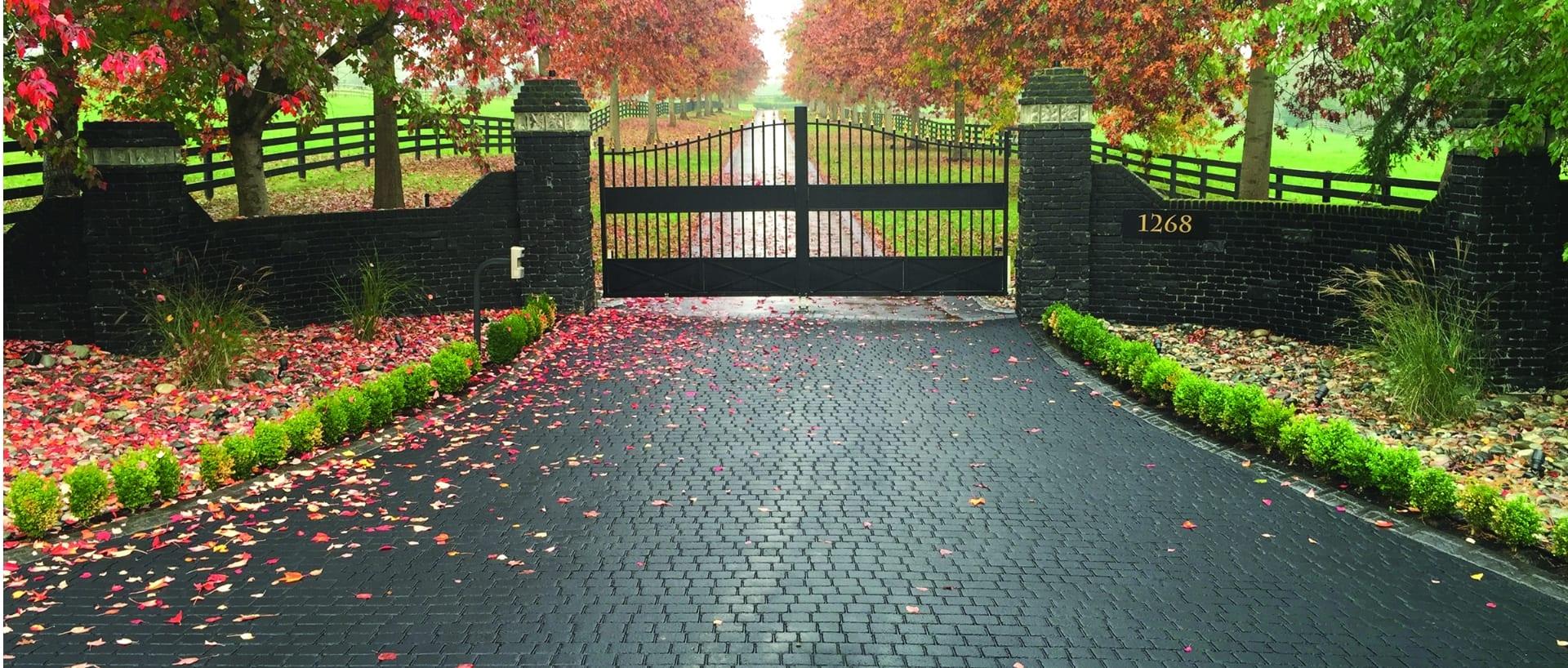
Stamped Asphalt
StreetPrint
Stamped asphalt.
The original. Since 1992. A Canadian invention, eh?
Patterns are stamped into existing asphalt, then coloured and sealed with StreetBond coatings. The surface stays flush: nothing for a plow blade to catch, no joints to weed, no pavers to settle, asphalt stays flexible.
- System
- In-place stamping + StreetBond coating
- Patterns
- Standard and custom options
- Service life
- 10–20 years
- Base
- New or existing asphalt
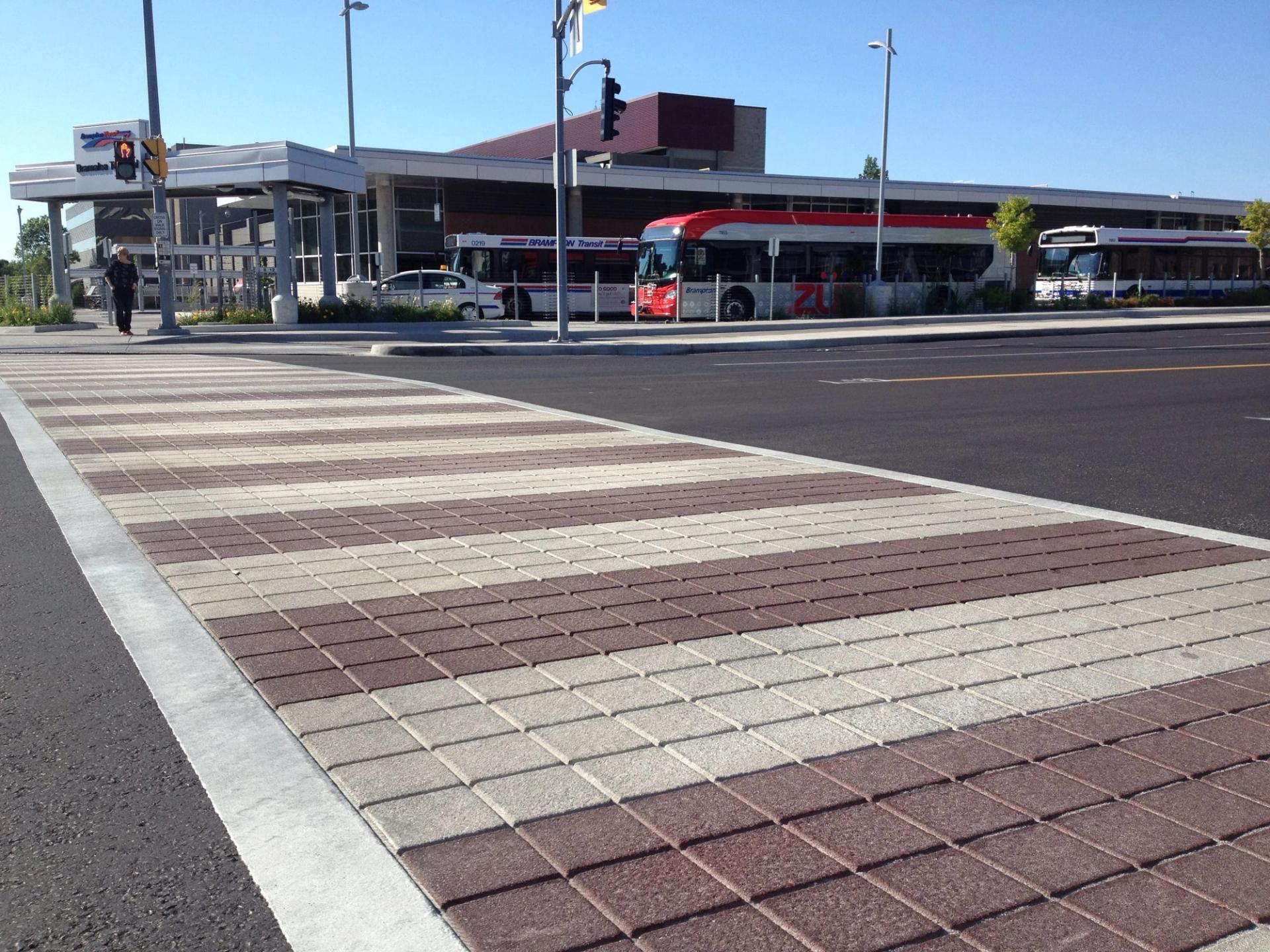
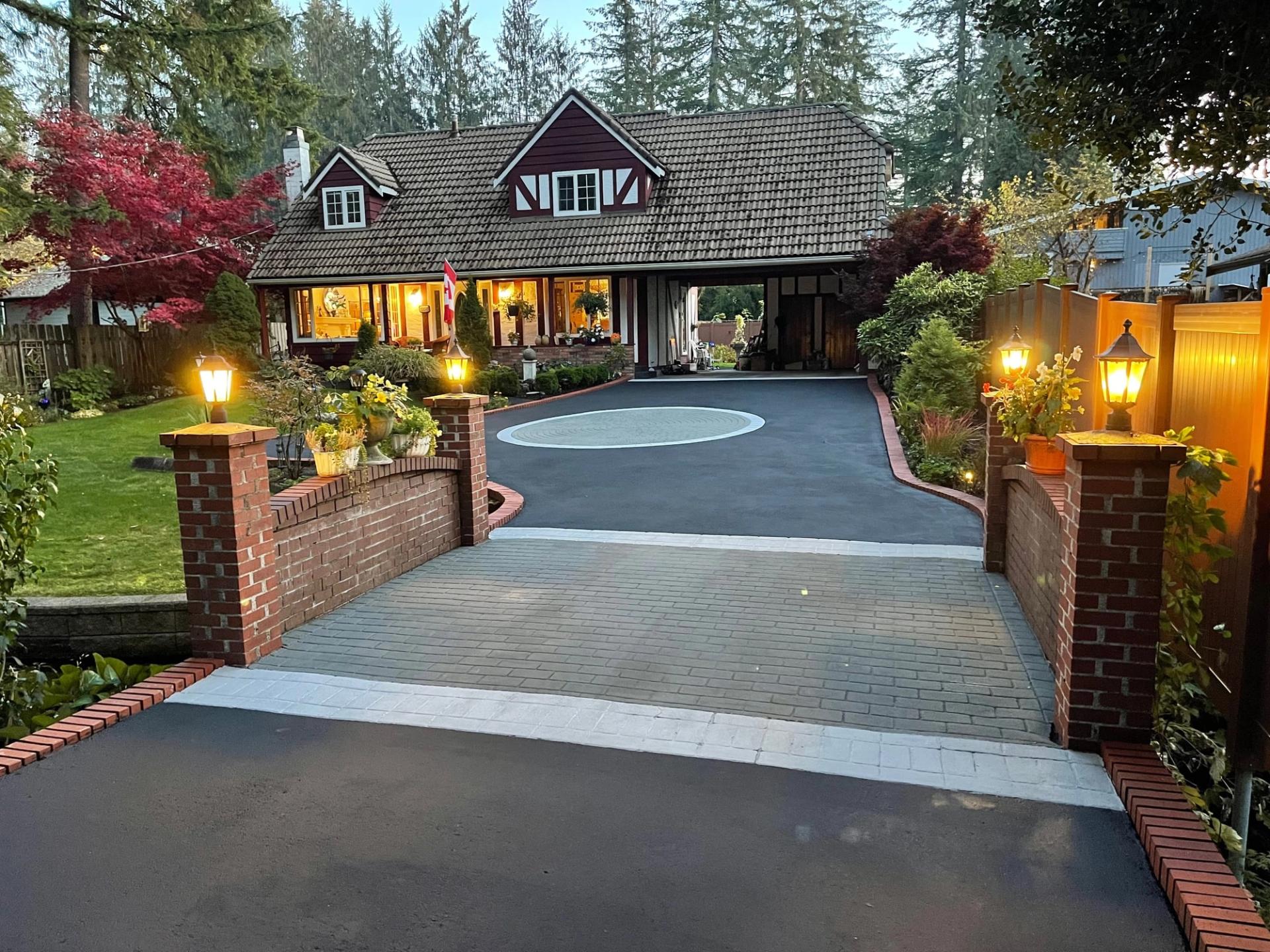
StreetPrint is specified for: Crosswalks · Driveways · Plazas · Heritage
Specify StreetPrint.
A free Lunch & Learn takes your team through the specification, with samples on the table.
Standard templates.
All 16 templates →The stamping templates as installed, dimensioned to the inch. Field patterns combine with border courses; fully custom designs cut to order.
The work
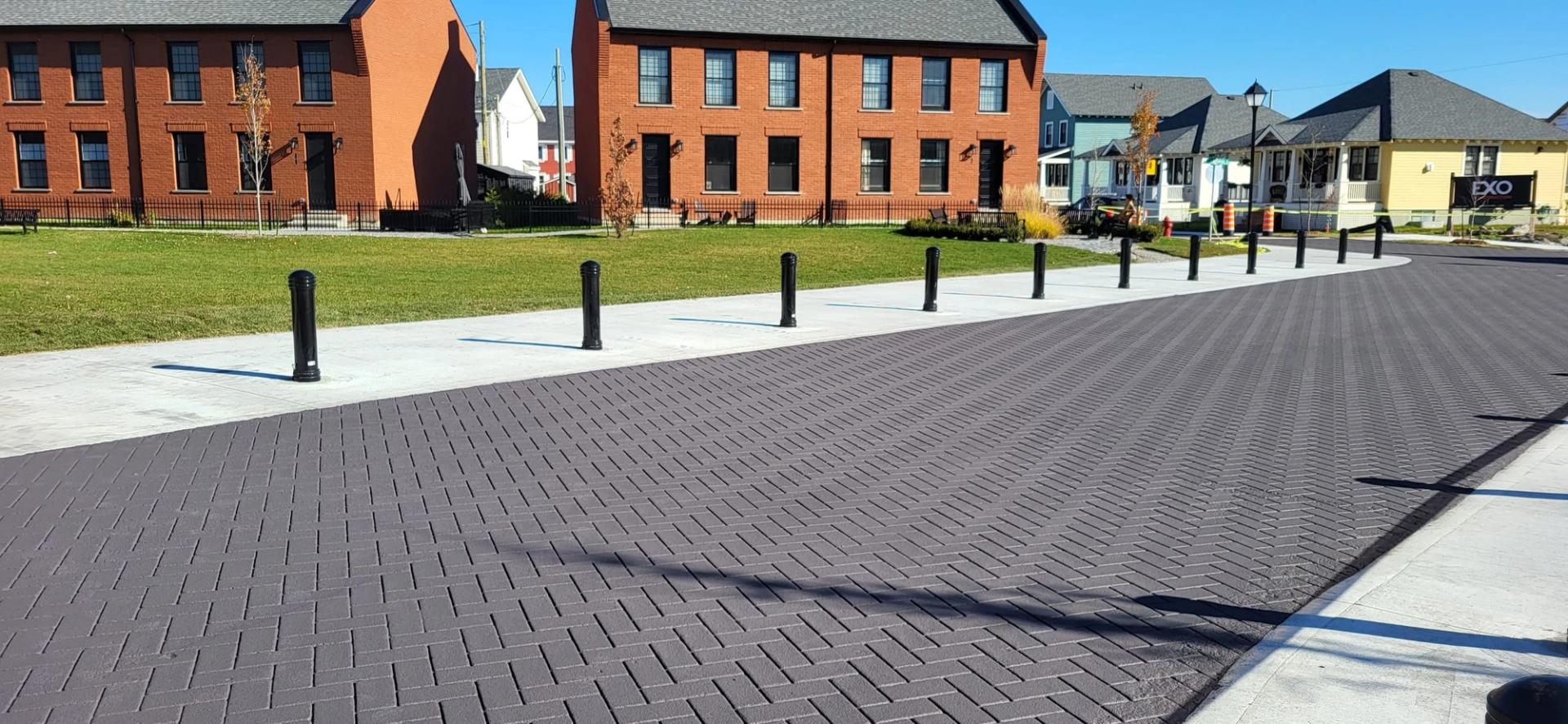
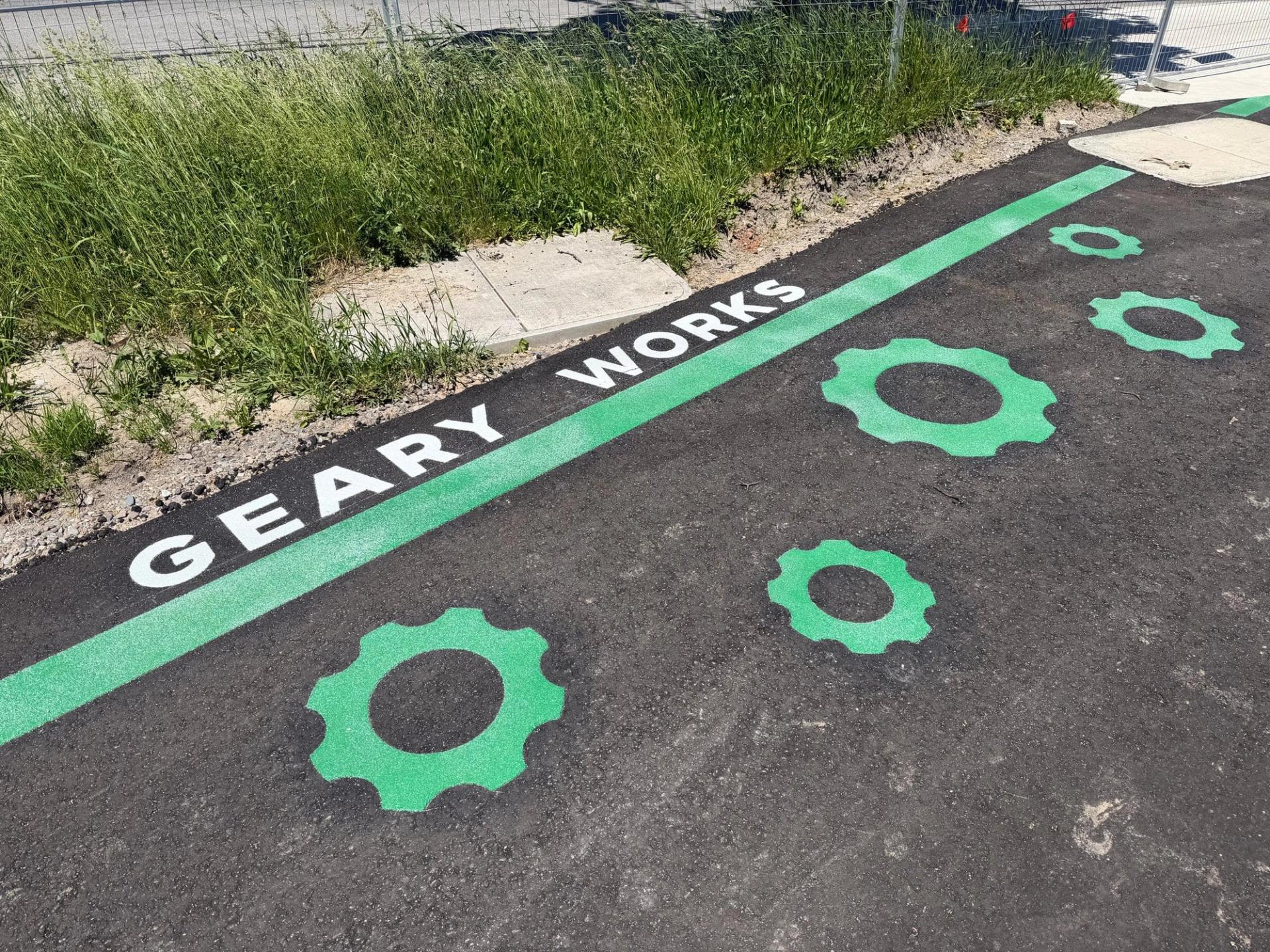
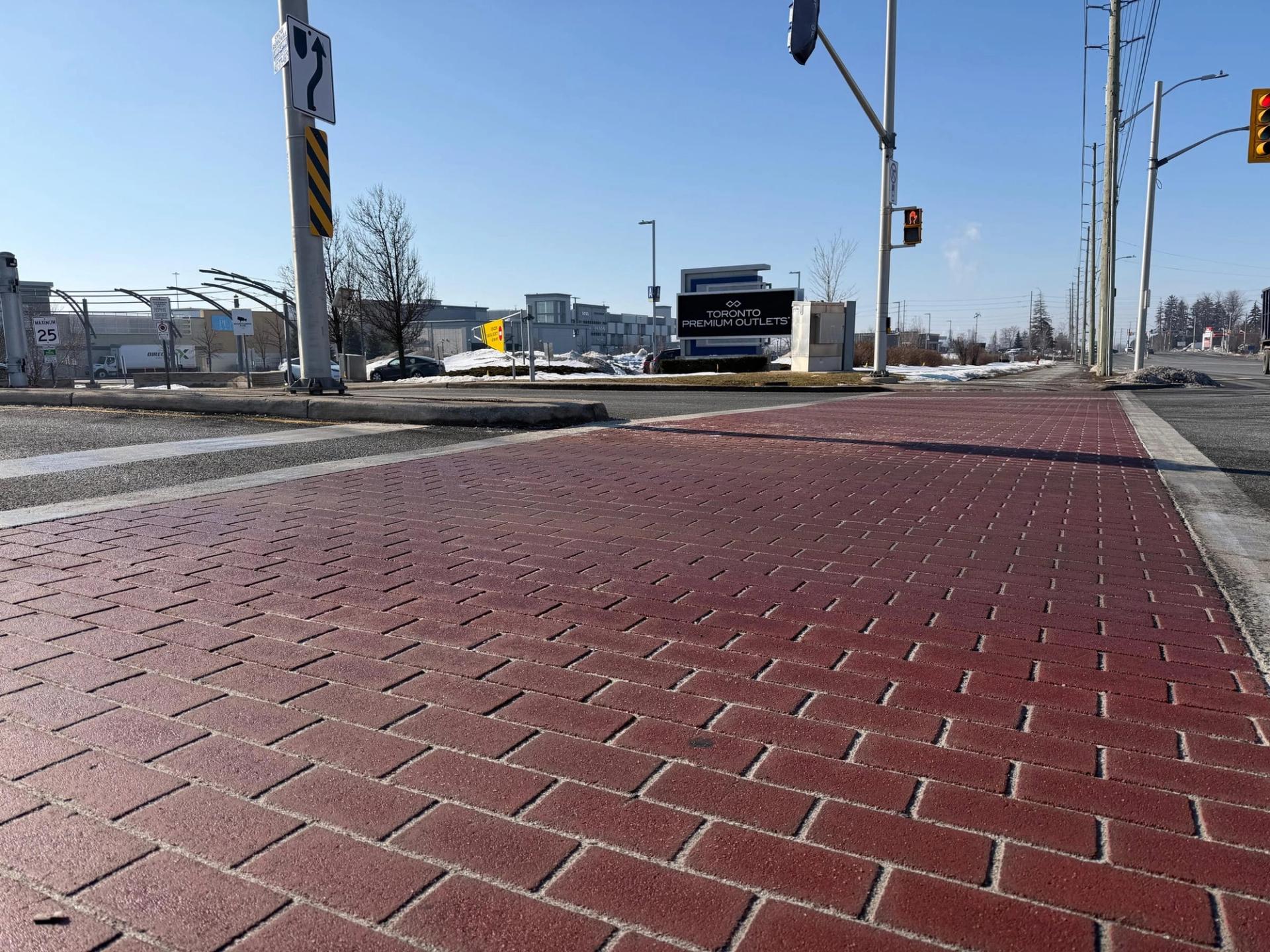
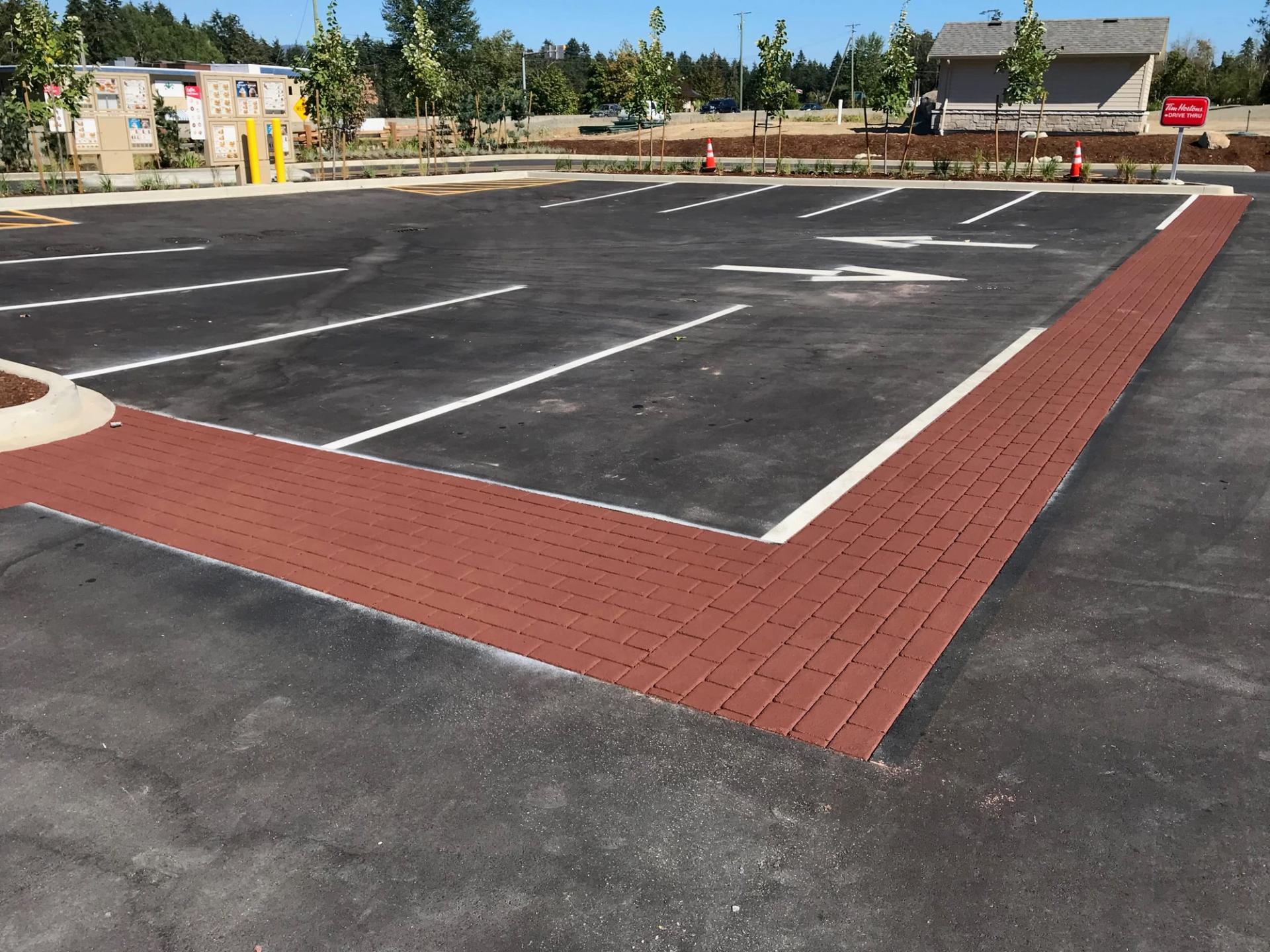
HUB installations, photographed on site.
77 photos

StreetPrint stamped asphalt
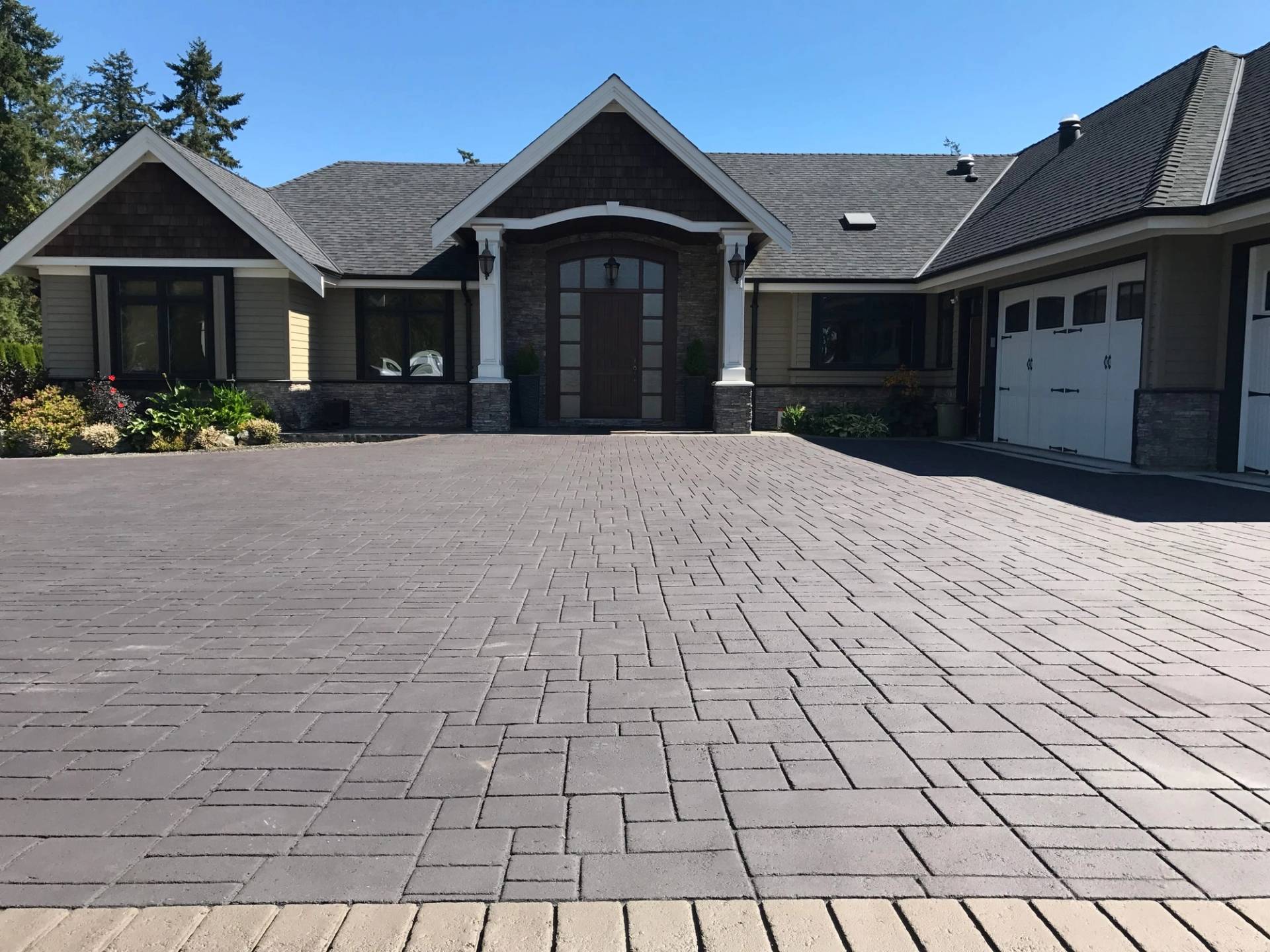
StreetPrint stamped asphalt
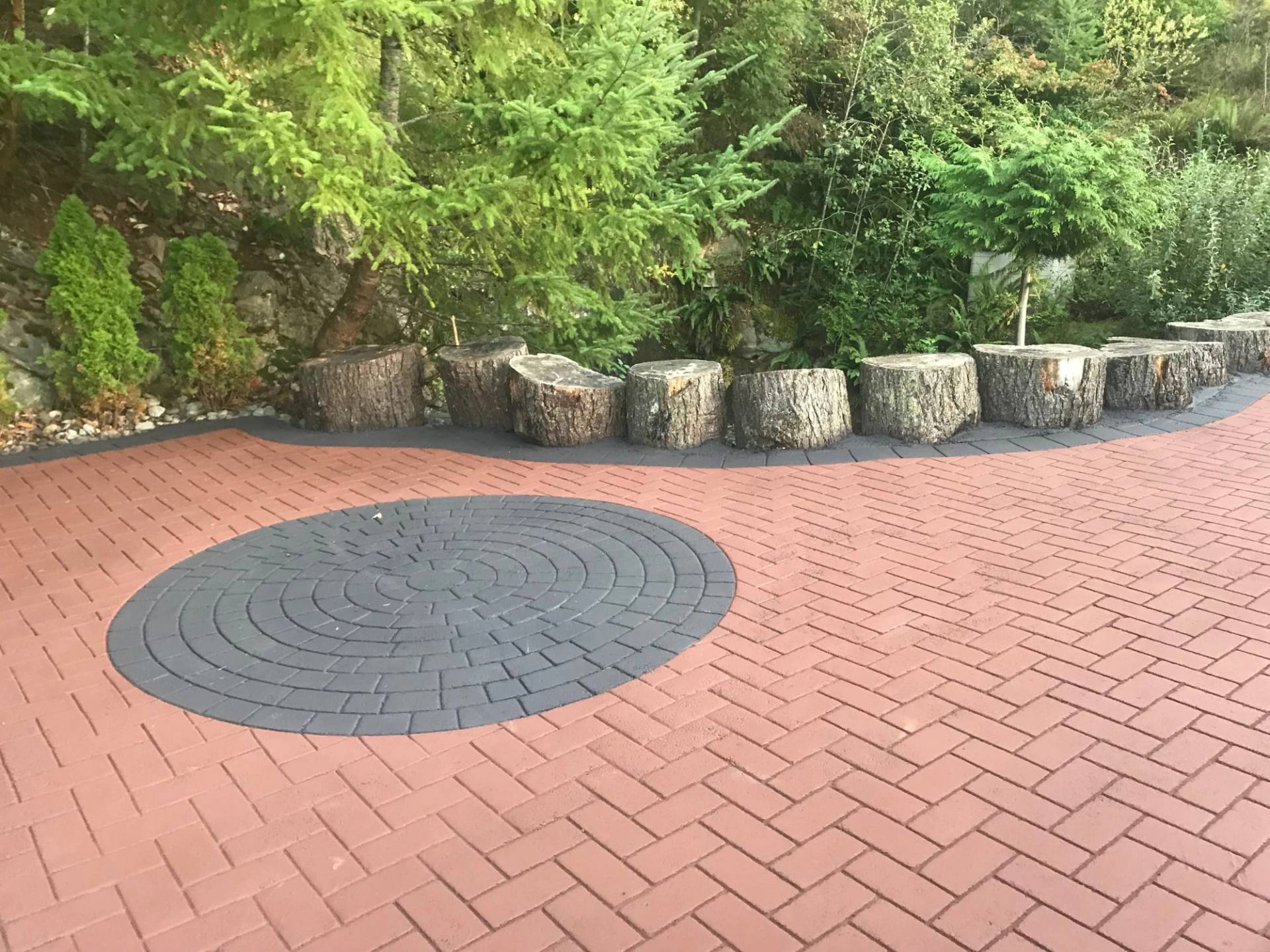
StreetPrint stamped asphalt
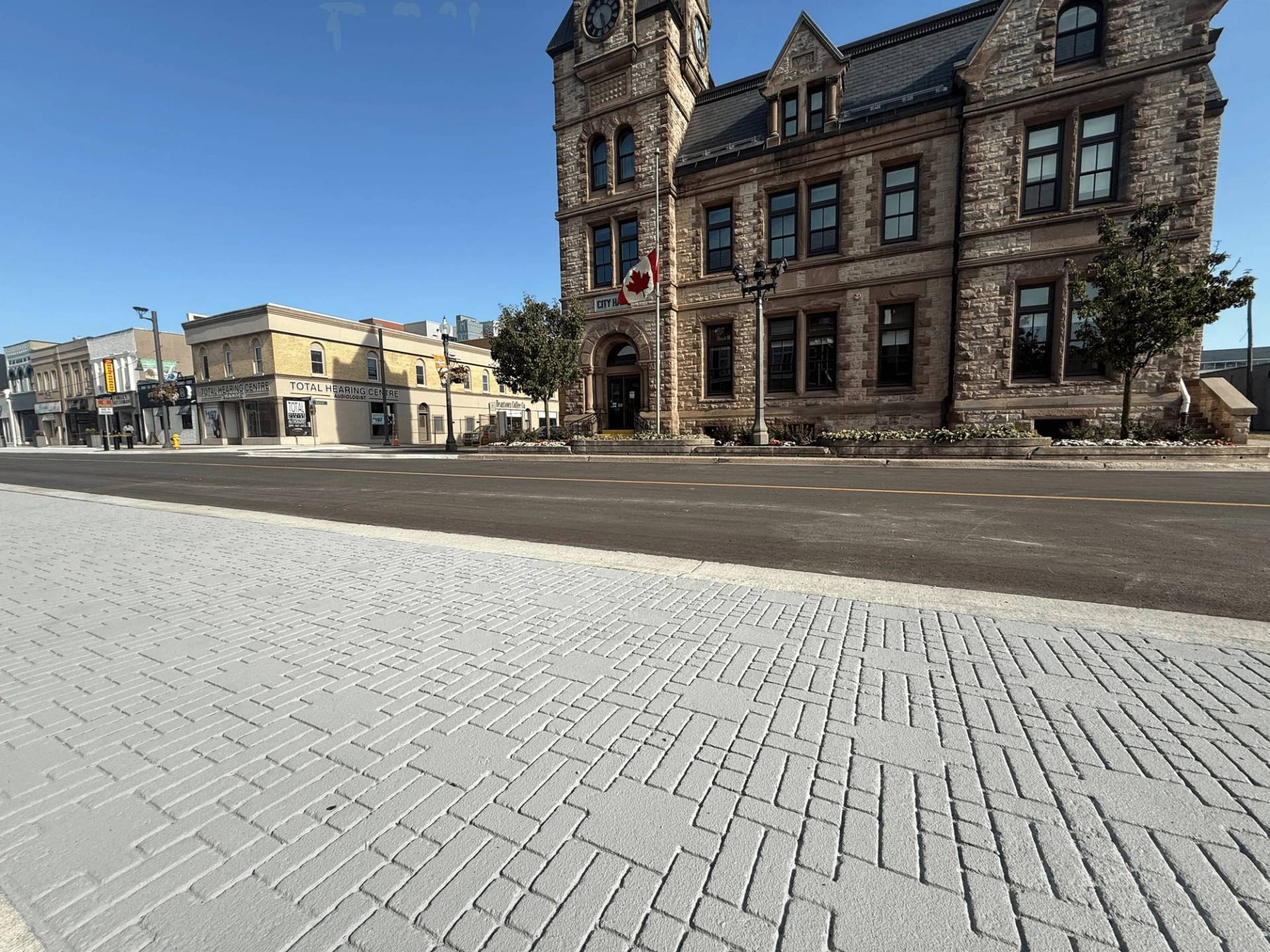
StreetPrint stamped asphalt
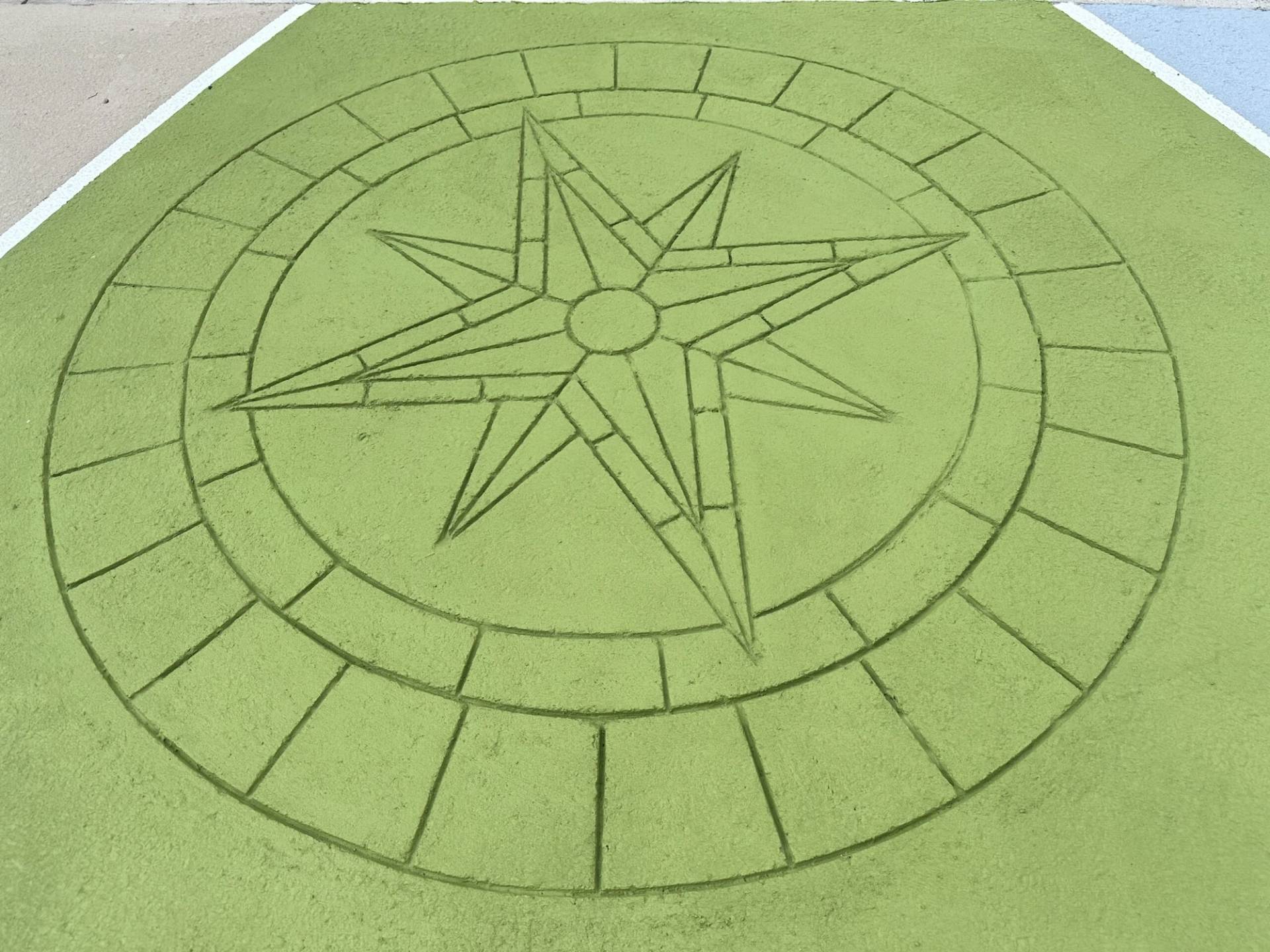
StreetPrint stamped asphalt
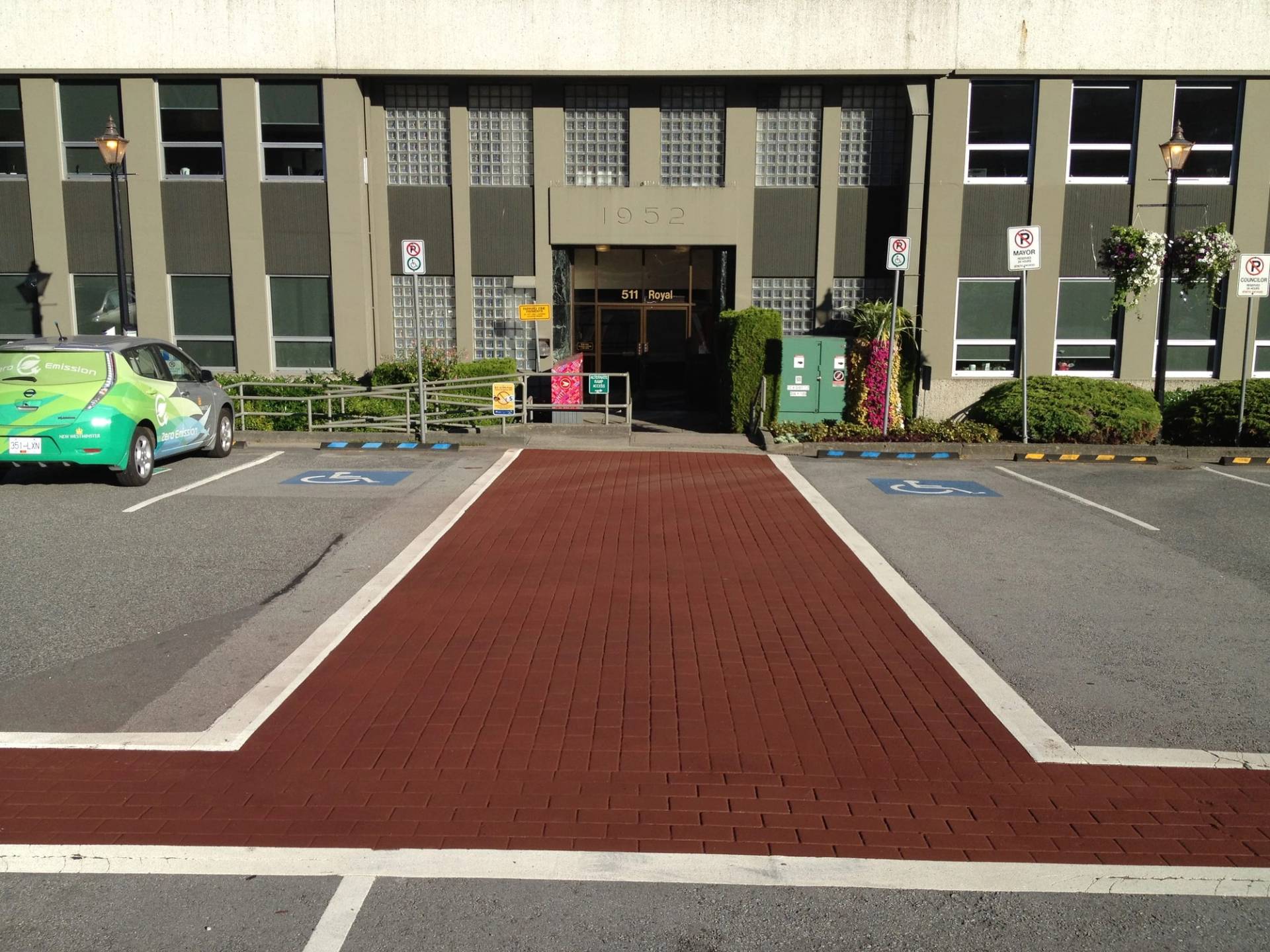
StreetPrint stamped asphalt
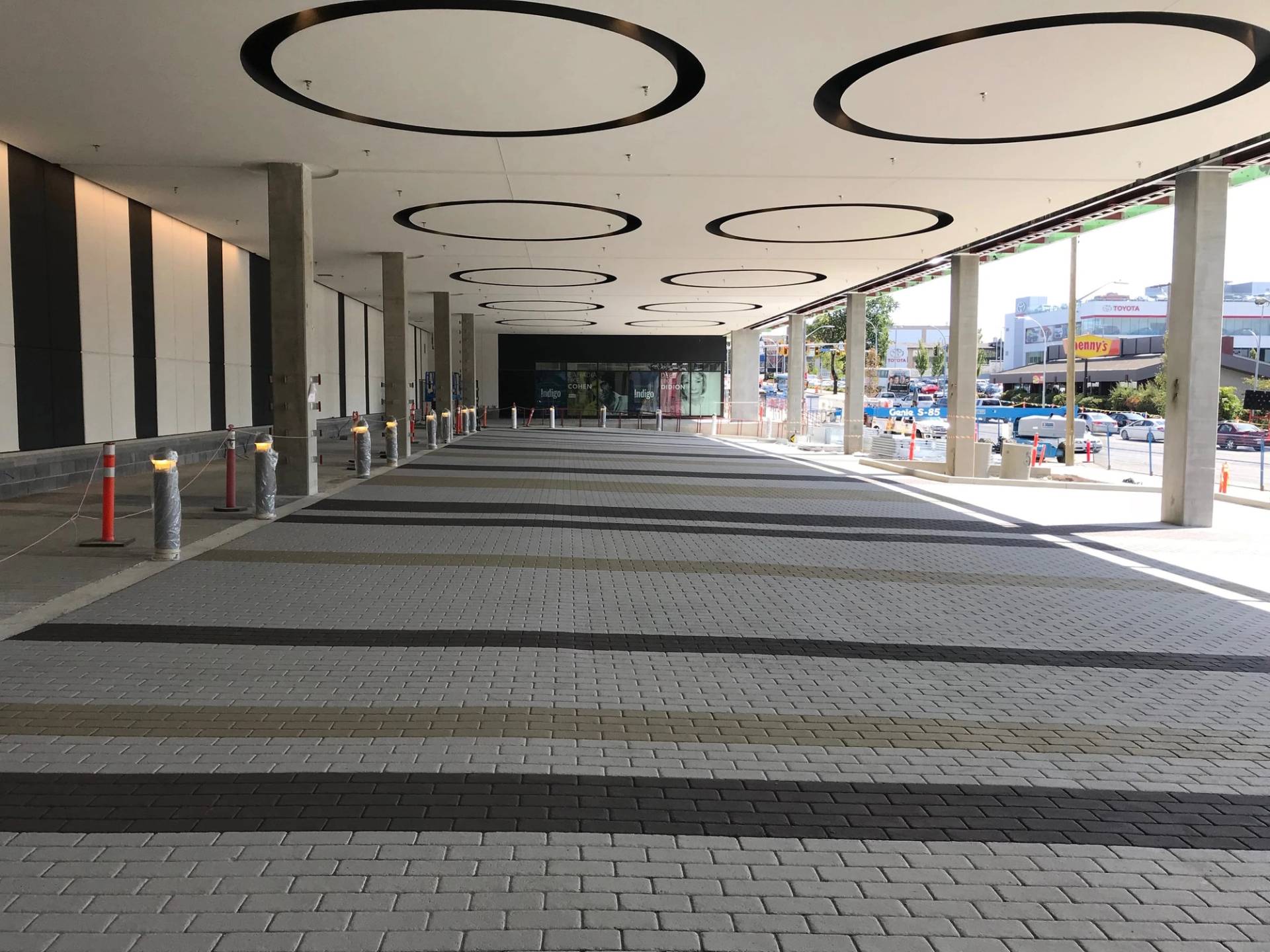
StreetPrint stamped asphalt


Showing 7 of 77
StreetPrint · common questions
Answers from HUB's field and technical documentation.
What is StreetPrint stamped asphalt?
StreetPrint is stamped asphalt, the original decorative asphalt system, installed in Canada since 1992. A pattern is pressed into asphalt using heat, a stamping template, and a plate compactor, then the surface is coloured and sealed with StreetBond coatings. The result gives the look of brick, cobblestone, or stone while keeping the flexibility and flush surface of asphalt.
Can you stamp existing asphalt, or only new asphalt?
Both. New asphalt can be stamped while it is still hot behind the paver, and existing asphalt in good condition can be reheated in place with infrared asphalt-reheating technology and then stamped. Reheating is what makes retrofits possible: a sound existing driveway or intersection does not need to be repaved to be patterned.
How long does stamped asphalt last?
The print is as durable as the asphalt it is stamped into. Installed correctly on sound pavement, it lasts the life of the surface itself. In Canadian municipal service that is a 10–20 year range, and StreetPrint installations have been performing on public streets for over 30 years.
Does stamped asphalt need maintenance?
The stamped pattern itself requires no maintenance. Where a finishing system such as StreetBond coating is applied, the coating can be refreshed on its own cycle (a recoat, not a rebuild), following the coating manufacturer's guidelines.
When can stamped asphalt be opened to traffic?
Left uncoated, StreetPrint can be opened to traffic immediately after stamping. When a coating system is applied, opening follows the coating's cure time rather than the stamping: for StreetBond, that is measured in hours, not days.
Is stamped asphalt cheaper than brick or interlocking pavers?
StreetPrint carries a significant cost advantage over brick and paver alternatives, and installs faster: there is no excavation, no unit placement, and no jointing. It also avoids the long-term costs pavers accumulate: no joints for weeds, no units to settle or heave, and nothing for a snowplow blade to catch.
Can StreetPrint be used on speed bumps and raised crosswalks?
Yes. StreetPrint can be applied to any speed table or raised feature built from stable asphalt, which is how many municipalities pattern traffic-calming installations: the calming geometry and the visual treatment go in as one surface.
How thick does the asphalt need to be?
StreetPrint should go onto stable asphalt designed for its application and installed to specification. For most hot-mix designs that is a compacted thickness of 1.5 to 2 inches. Stamping into significantly thinner asphalt risks cracking along the grout lines unless the pavement was specifically engineered for that thickness.
Can StreetPrint be installed on a patio or over seal-coat?
Neither is recommended. Patios and pool decks are better served by concrete or patio stone, because asphalt can take indents from furniture point loads. Seal-coated surfaces should not be stamped at all. Most sealers become unsafe to work and sticky when heated, so the seal-coat would need to be removed first.




Lunch & Learn